
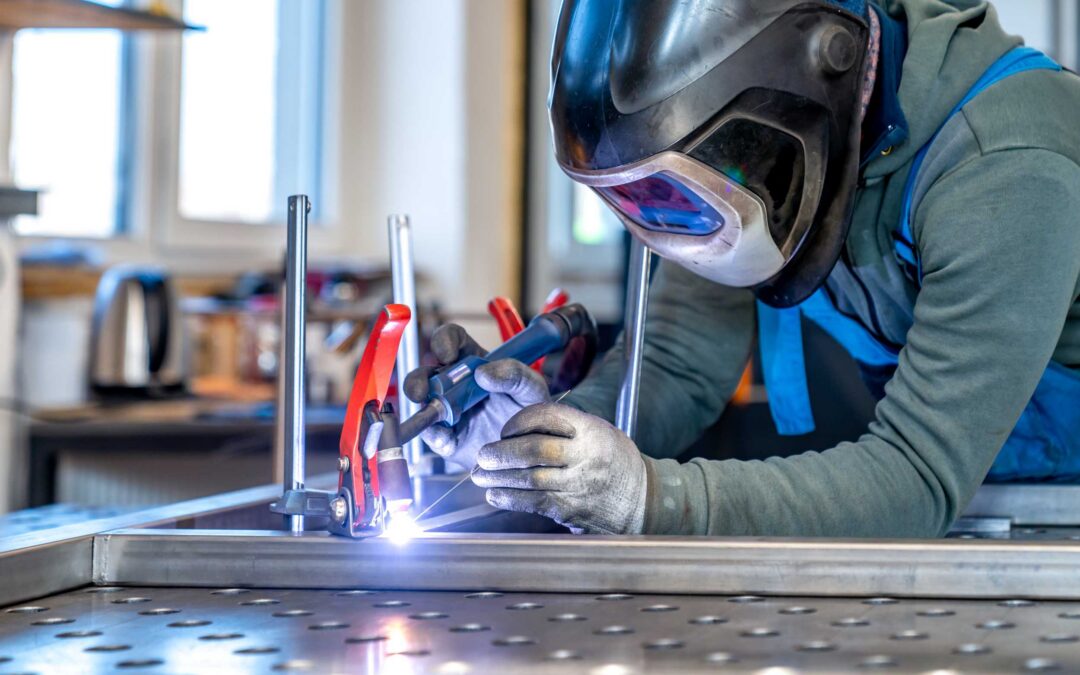
Extruded aluminum frames show up in everything from work trailers and roof racks to machine guards and window assemblies. Those parts need straight lines, tight corners, and consistent dimensions.
High heat changes the temper of aluminum, softens it, and can pull a frame out of square. Brazing extruded aluminum frames at low heat helps you keep the original shape and strength so the frame goes back where it belongs without a long fight during reassembly. This walkthrough breaks the repair into clear steps so the frame returns to service with solid, reliable joints.
Set Up the Work Area and Support the Frame
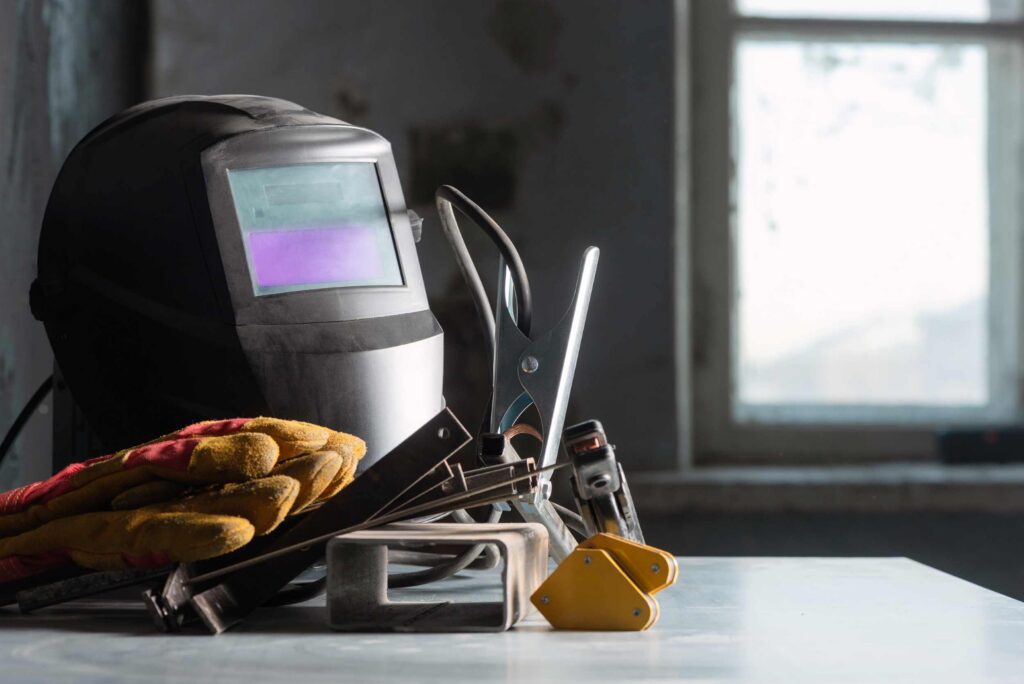
Start with a solid work surface so the frame stays put while you heat it. A flat table or a set of sturdy stands works well, as long as the frame doesn’t rock when you press on it. Give yourself enough space to move the torch along the joint and see both sides without twisting your body. Keep flammable items away from the work zone, and set out the torch, filler, flux, stainless brush, abrasives, and safety gear before you light anything.
Clean the Joint Down to Bare Aluminum
Low-heat brazing depends on clean metal. Aluminum oxide, paint, anodizing, and clear coat all block the filler from bonding to the base. Use a stainless steel brush dedicated to aluminum to scrub the joint area until it looks bright. Remove coatings several inches past the seam with a flap disc or abrasive pad so the heat has clean metal to work with. Finish with a solvent wipe that takes off oil, grease, and fingerprints so nothing sits between the joint and the filler.
Test Fit the Pieces and Lock the Frame in Place
Fit-up decides how much heat you need to reach a sound joint. Bring the mating pieces together and check the gap along the entire length of the seam. Aim for a small, even gap instead of wide or uneven openings that force you to push the temperature higher. Use clamps, magnets, or simple braces to hold corners and long runs in position. Once the frame sits square and fixed, you can move through the rest of the steps without chasing parts that shift as they warm up.
Apply Flux to the Joint Area
Flux keeps new oxide from forming while you heat and helps the filler wet the metal. Brush on a thin, even coat over the cleaned joint, extending a short distance past each end. Coverage matters more than thickness, so avoid heavy globs that can trap gas or flake off. Check that the flux reaches all sides of the joint you plan to braze. After this step, the joint is ready for controlled heating.
Preheat the Area Around the Joint Slowly
Heat control starts before the filler ever touches the metal. Set the torch for a neutral or slightly soft flame that doesn’t blast the surface. Move the flame in smooth passes over a wider zone around the joint instead of aiming at one small point. This gradual preheat brings the surrounding metal along with the joint so temperatures rise evenly. Slow, even preheating lowers the risk of sudden warping or collapsed corners when you reach working temperature.
Bring the Joint Up to Brazing Temperature
After the area is warm, attention shifts to the seam itself. Keep the torch moving along the joint and watch the flux closely. As the flux turns clear or glassy, the joint is getting close to the right temperature for brazing. Stay patient here instead of cranking up the flame. The goal is to reach brazing temperature at the joint while keeping the base aluminum well below its melting point, so the extrusion keeps its shape.
Feed the Filler from the Hot Side of the Joint
With the joint at temperature, you can start working the rod. Hold the torch so the heat flows into the joint, then bring the filler in from the side that sees the most warmth. Touch the rod lightly to the seam and let the base metal melt it. When the temperature is right, the filler wets the edges and flows along the joint in a smooth line. If the rod just forms a ball or skips across the surface, back off, add a little more even heat to the joint, and try again without firing the flame directly at the filler.
Work Long Seams in Short Sections
Extruded frames often have long runs that can twist if you heat them all at once. Break each seam into short sections you can complete without rushing. Finish one section, then shift the torch and rod to the next while the previous area cools on its own. Keep clamps and supports in place while you move down the joint so the frame stays square. This section-by-section approach keeps the heat lower and gives you time to watch how the frame responds.
Let the Frame Cool and Clean Off Residue
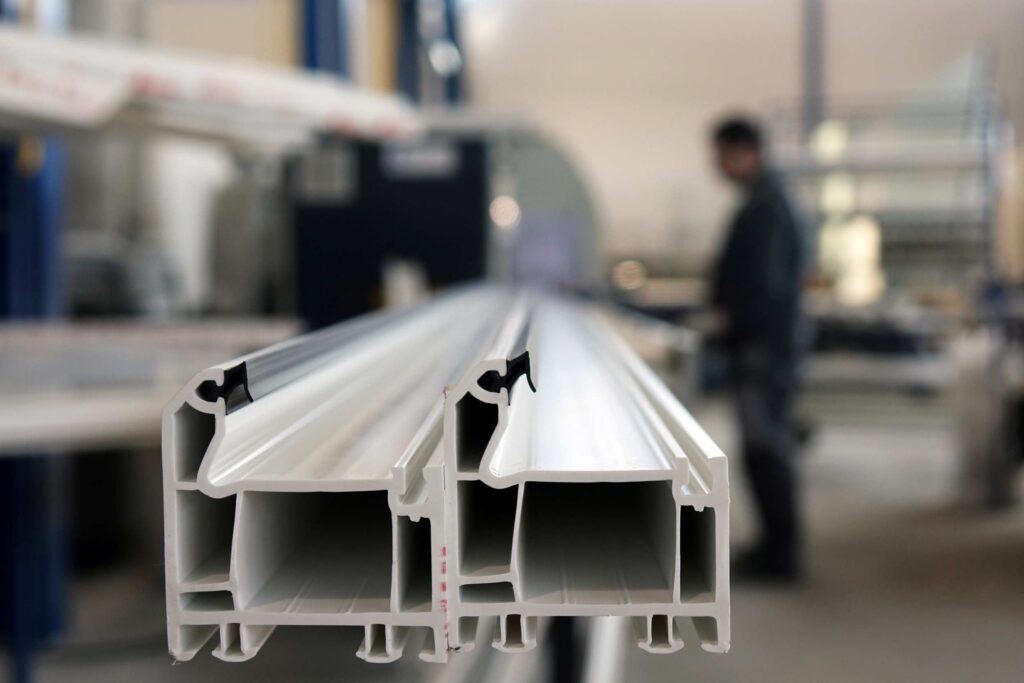
Cooling has just as much impact on the result as heating. Set the torch aside and let the frame cool in still air instead of quenching with water or compressed air. Rapid cooling can add stress to the joint and pull the frame out of alignment. When the metal reaches a comfortable touch temperature, remove remaining flux with warm water and a brush or another suitable cleaning method. A clean surface makes it easier to inspect the joint, confirm full coverage, and spot any small voids that need attention before the frame goes back into service.
Stocking Up for Future Aluminum Frame Repairs
Once you have a solid process for brazing extruded aluminum frames at low heat, every repair feels more predictable. Clean joints, controlled heat, and patient cooling give you frames that stay straight and hold up in service instead of coming back with new cracks. That kind of consistency saves time in the shop and keeps equipment, trailers, and fixtures working longer.
Need to stock up on supplies for the next time you work with aluminum? Muggy Weld has affordable, high-quality aluminum brazing rods and other products that help you achieve strong, clean welds with less grinding and rework. Shop our online selection today so you’re ready for the next repair that rolls into the shop or garage.