

You can use silver solder to create guards, bolsters, and butt caps for custom knife handles. But for a clean, professional result, it’s important to carefully understand the methods you use to fuse metal to metal without compromising the knife’s structure. Here are some of the most common techniques for silver solder methods for custom knife handles and why they work.
Torch Soldering for Fitting Guards and Bolsters
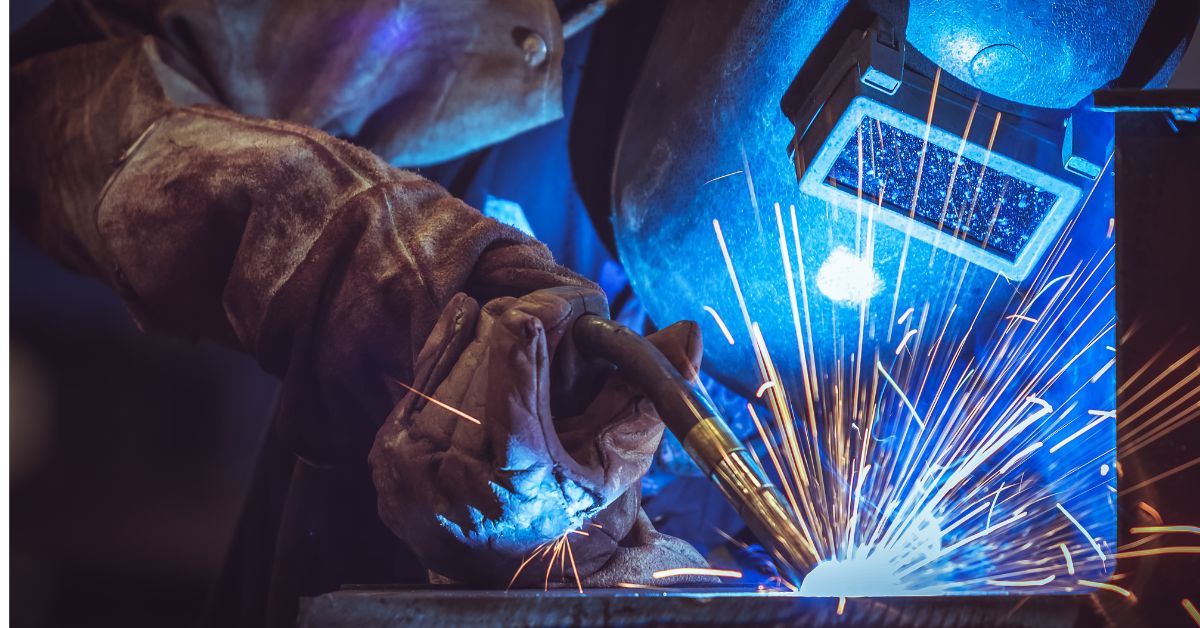
A propane or butane torch gives you localized heat right at the joint, so you can bring the solder area up to temperature without overheating the surrounding metal.
Before you apply heat, the joint surfaces need to be clean and flush. Any gap between the guard and the blade will cause the solder to pool instead of wicking into the seam. File the surfaces flat, then use a flux designed for silver solder to protect the metal from oxidation as it heats.
After the flux goes on, heat the joint evenly from both sides. The metal needs to reach the right temperature first; when it does, the solder will flow into the seam instead of sitting on the surface.
Sweat Soldering for Flush, Layered Connections
Sweat soldering gives you better control when you’re building a bolster from layered pieces or attaching a decorative band that needs to sit flush against the handle material. The technique loads solder onto one surface before the pieces come together, so the filler is already where the bond needs to form.
Here’s how it works: you apply flux to one metal surface, place a thin piece of solder sheet or paste over it, then heat the surface until the solder melts and bonds to the metal. Then, you let it cool. Now you have one piece with solder already bonded to its surface.
When you’re ready to join, flux both surfaces, press them together, and reheat. The loaded solder reflows between the parts and bonds the two pieces without pushing extra material out at the seam. For decorative fittings on a knife handle, that cleaner edge keeps the joint tight without leaving a raised line you have to file back later.
Pick Soldering for Small, Precise Joints
If you’re attaching a small accent piece or filling a tight corner joint on a guard, pick soldering lets you place a tiny piece of solder at the joint rather than feeding rod or sheet into a larger area.
Cut a small chip of silver solder from the rod or sheet. Flux the joint, heat the surrounding metal, then use a metal pick or a fine-tipped tool to carry the solder chip directly to the heated joint. The solder flows only where the metal is hot enough to draw it in.
This method keeps excess solder off decorative surfaces you don’t want to clean up later. It also reduces the chance of accidentally overheating a nearby seam you’ve already soldered.
Paste Soldering for Difficult Angles and Tight Spaces
Some joints on a knife handle are just awkward to reach. If you’re working on an internal seam, a curved bolster, or any fitting where rod solder won’t sit in place long enough to flow, paste solder solves the positioning problem.
Paste solder is a mix of powdered silver solder and flux in a single compound. You apply it directly to the joint using a small brush or applicator, and it stays in place while you heat the area. There’s no chasing solder around a curved surface or holding a rod with one hand while working the torch with the other.
For handles with compound curves or recessed fittings, paste keeps the solder exactly where you put it. Once the metal reaches temperature, the paste flows into the joint and bonds the pieces together. It’s one of the more practical formats for working on knife hardware because the geometry of the handle rarely gives you a flat, easy surface to work on.
Oven or Kiln Soldering for Consistent, Repeated Joints
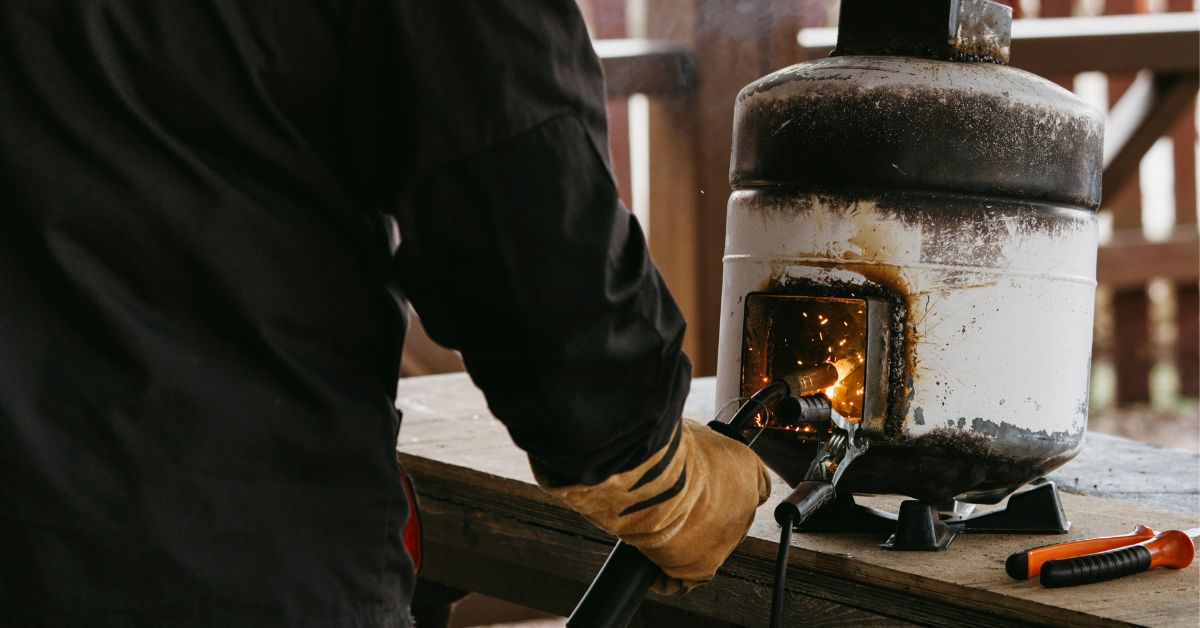
If you’re producing more than one knife or building multiple matching fittings, oven soldering removes a lot of the variation that comes from hand-torching each joint. You set the pieces up in a small kiln or temperature-controlled oven with paste or sheet solder pre-placed at each joint, and the heat does the rest.
The benefit here is repeatability. Every joint reaches the same temperature at the same rate, which means your solder flows consistently across all the fittings. For someone making a matching set of knives or producing guards and butt caps in batches, that consistency cuts down on finishing time because you’re not correcting uneven joints on each piece individually.
You do need to watch the silver content of your solder for this method. Higher silver content solders flow at lower temperatures, which gives you more control inside an oven where you can’t direct heat like you can with a torch. Check the flow temperature of your solder against your kiln’s range before you commit a full batch.
Finishing the Joint After Soldering
No matter which method you use, the joint needs cleanup before the handle is done. Flux residue leaves a glassy or discolored coating on the metal that won’t come off with a rag. Soak the piece in warm water to dissolve water-soluble flux, or use a mild acid pickle solution if the flux has been baked on by the heat.
Once the residue is off, inspect the joint line. Silver solder sits in the seam, so if the joint was clean and flush going in, you should have minimal cleanup. A flat file cleans up any excess that squeezed out. From there, sand through progressively finer grits until the joint blends into the surrounding metal.
If the seam is visible after sanding, the gap was too wide going in. Silver solder fills gaps, but wide gaps produce a visible solder line rather than an invisible joint. That’s a fit-up issue, not a solder issue.
The Right Solder Cleans Up the Whole Process
These silver solder methods for custom knife handles will allow you to create fittings that sit tight, look clean, and hold up to use. While the prep and fit-up take patience, the result will be a durable, professional-looking handle you can keep for yourself or pass on as a finished piece.
At Muggy Weld, we sell the supplies you need for this project. Our silver solder paste is a pre-fluxed compound that positions easily on curved and recessed joints, so the solder stays where you put it while you work. Grab some today.