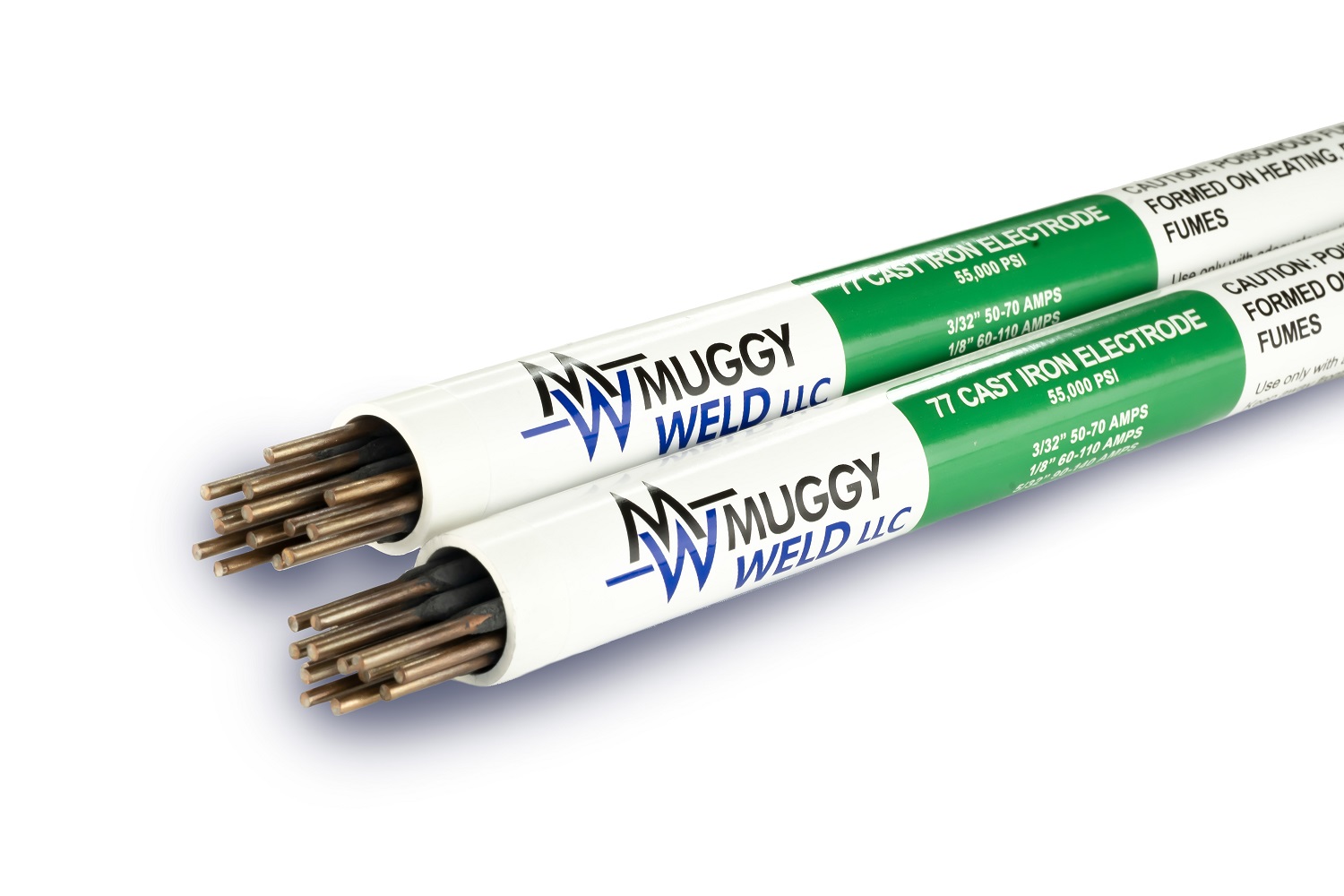
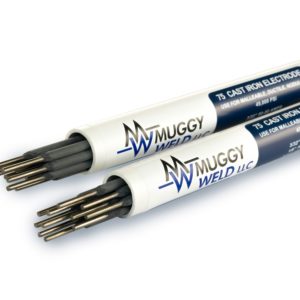
77 Cast Iron Welding Rod: Premium Choice for Strong, Crack-Resistant Cast Iron Repairs
When it comes to welding cast iron, you need more than just any standard welding rod. You need a rod that is designed specifically for the unique challenges of cast iron – a material that can be difficult to weld due to its brittleness, hardness, and tendency to crack under stress. That’s where the 77 Cast Iron Welding Rod comes in. This premium cast iron electrode has been engineered to provide high-strength, machinable welds that are crack-resistant, porosity-free, and ideal for a wide variety of cast iron types.
The 77 Cast Iron Welding Rod is the ultimate solution for anyone working with cast iron, whether in automotive repair, heavy machinery maintenance, marine applications, or industrial machinery. With its advanced features and specialized formulation, this welding rod makes even the most challenging cast iron welds easy to accomplish with precision, durability, and ease.
Why Choose the 77 Cast Iron Welding Rod?
The 77 Cast Iron Welding Rod is a game-changer for welding cast iron. It features a tri-metal core wire that offers a high current carrying capacity and promotes excellent weld strength. This core wire is complemented by a specially designed coating that works to convert impurities in the base metal into slag, rather than allowing them to become trapped in the weld deposit. This results in cleaner, stronger welds that are free from porosity and defects, providing a more reliable, durable result.
The 77 Cast Iron Welding Rod stands out for its high deposition rate, which is key to creating extremely narrow heat-affected zones (HAZ). This feature is critical for minimizing distortion in the base metal and preventing cracking during the welding process. Whether you’re dealing with thin or thick cast iron, this welding rod ensures that your welds are both strong and machinable.
Another standout feature of this cast iron welding rod is its exceptional flexibility. Unlike nickel rods, which are often used in cast iron welding but are harder and less pliable, the 77 Cast Iron Welding Rod is softer and more capable of stretching and elongating. In fact, it can stretch up to 300% more than other rods, which helps prevent cracking both in the base metal and the weld itself. This makes it an ideal choice for repairing parts that need to undergo further machining or that are subject to heavy stress and wear.
Key Features of the 77 Cast Iron Welding Rod:
Developed Specifically for Maintenance Applications: The 77 Cast Iron Welding Rod was created with maintenance work in mind, particularly in industries that rely heavily on cast iron components, such as automotive, marine, and industrial sectors.
Welds All Types of Cast Iron: Whether you’re working with gray iron, ductile iron, or malleable iron, the 77 Cast Iron Welding Rod is versatile enough to tackle all types of cast iron. It works equally well on both thin and thick cast iron sections, making it a perfect choice for various repair jobs.
Good Color Match to Cast Iron: One of the challenges of welding cast iron is achieving a consistent, uniform appearance. The 77 Cast Iron Welding Rod is formulated to match the color of cast iron closely, providing aesthetically pleasing welds that blend well with the base material.
Crack-Resistant Formula: The formula of the 77 Cast Iron Welding Rod is designed to eliminate the need for pre-heating or special cooling techniques that are commonly required with other cast iron welding rods. This crack-resistant formulation helps reduce the risk of weld cracks, ensuring long-lasting repairs without additional complex processes.
Works in All Positions, Including Overhead: Whether you’re working in a flat, horizontal, vertical, or overhead position, the 77 Cast Iron Welding Rod performs seamlessly. Its high deposition rate and excellent fluidity make it easy to use in various orientations, providing consistency and ease of application.
Coating Prevents Core-Wire Overheating: The coating on the 77 Cast Iron Welding Rod is electrically conductive, which ensures that the core wire doesn’t overheat during welding. This provides a smoother arc and reduces the likelihood of spatter or other weld defects.
High Deposition Rate and Fluidity: The high deposition rate and fluidity of the 77 Cast Iron Welding Rod make it easy to create fully machinable welds. This makes it perfect for parts that need to undergo further machining after welding, such as engine blocks or transmission housings.
Special Formulation Compensates for Shrinkage: As cast iron cools after welding, it tends to shrink, which can lead to cracking. The 77 Cast Iron Welding Rod compensates for this shrinkage, preventing contraction and ensuring a strong bond between the base material and the weld.
Ideal for Heavy Machinery, Automotive, Marine, and More: The 77 Cast Iron Welding Rod is perfect for a wide range of industries. It’s frequently used in repairing heavy machinery, engine blocks, exhaust manifolds, transmission housings, cylinder heads, and industrial machines. It’s also a great choice for marine applications, trucking, RVs, and bus lines.
Applications for the 77 Cast Iron Welding Rod
The 77 Cast Iron Welding Rod is engineered to handle the tough demands of industrial, automotive, and marine environments. Here are just a few of the many applications where this welding rod excels:
Automotive Repairs: The 77 Cast Iron Welding Rod is ideal for repairing cracked engine blocks, cylinder heads, and exhaust manifolds. Its superior weldability and crack resistance make it a go-to choice for automotive mechanics and DIY enthusiasts alike.
Heavy Machinery and Industrial Equipment: When it comes to repairing worn or damaged cast iron parts on heavy machinery, the 77 Cast Iron Welding Rod offers unmatched reliability. It’s perfect for transmission housings, industrial machine parts, and other critical components that need to stand up to heavy use.
Marine and RV Applications: The 77 Cast Iron Welding Rod is an excellent choice for marine repairs, particularly for cast iron components in engines, transmissions, and exhaust systems. It’s also useful for RV maintenance, helping keep your vehicle’s cast iron parts in working order.
How to Use the 77 Cast Iron Welding Rod:
Prepare the Surface: Before you begin welding, drill holes at each end of the crack to help prevent the crack from propagating further.
Align the Parts: If necessary, align the parts and tack weld them in place to secure them during the welding process.
Guide the Electrode at a Steep Angle: For best results, guide the electrode at a steep angle, keeping the arc length as short as possible. This ensures a stable arc and prevents excess heat from building up.
Use Short Staggered Passes: Use short, staggered passes to minimize heat input and ensure a smooth, even weld. This will help reduce the risk of cracking and distortion in the base material.
Conclusion:
The 77 Cast Iron Welding Rod is the ideal choice for professionals and DIY welders who need a reliable, high-performance rod for cast iron repairs. With its crack-resistant formula, high deposition rate, and excellent machinability, it guarantees strong, durable, and aesthetically pleasing welds every time. Whether you’re repairing heavy machinery, automotive parts, or marine equipment, the Muggy Weld 77 Cast Iron Welding Rod will ensure your repairs are made to last.
CALIFORNIA PROPOSITION 65: WARNING: This product contains chemicals including [Nickel], which are known to the State of California to cause cancer. For more information go to www.P65Warnings.ca.gov
77 is a premium electrode that produces welds which are high strength, crack resistant, and porosity free when applied to a wide variety of cast irons. The special tri-metal core wire has a high current carrying capacity and the specially designed coating converts the impurities of the base metal into slag instead of being trapped in the deposit. The high deposition rate creates an extremely narrow heat affected zone– a feature suitable for all weldable cast irons requiring post weld machining.
77 cast iron welding rods are softer than nickel rods, and have unique properties that allow the cast iron welds to stretch and elongate up to 300 percent more than other rods, which helps prevent the base metal and weld from cracking in the process.
Key Features:
High efficiency weld metal transfer eliminates electrode overheating
Crack-resistant formula eliminates the need for pre-heating or special cooling
Ideal for heavy machinery, trucking, bus lines, automotive, marine, and RVs
Repair cast iron exhaust manifolds, engine blocks, industrial machines and more
Note: Guide the electrode at a steep angle, keeping the arc length short. Use short staggered