
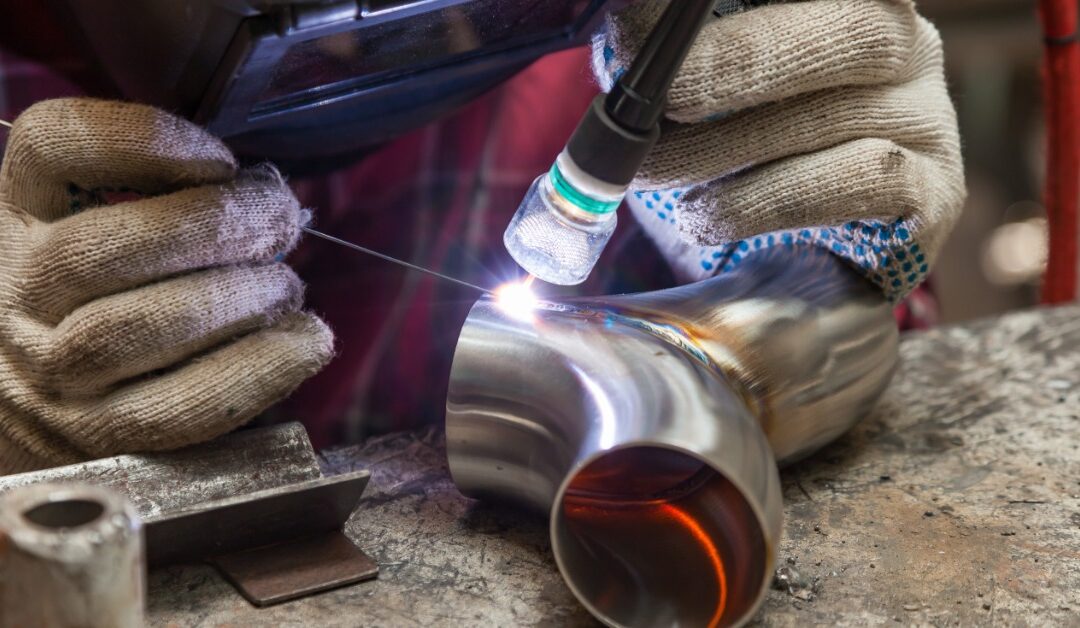

Have you ever had a piece of thin stainless steel look fine one second and start pulling out of shape the next? It doesn’t take much. A little too much heat, a little too much time in one spot, and now the job needs more cleanup than you planned on.
How to solder thin stainless steel without warping comes down to patience, prep, and paying attention while the metal tells you what it can handle. Once you know what to watch for, the work feels a whole lot more manageable, whether you’re fixing a small panel, patching a seam, or cleaning up a part you’d rather save than replace.
Clean The Stainless Steel Completely
Thin stainless steel picks up oil, shop dirt, marker residue, and oxidation very easily, and any of it can interfere with solder flow. A clean surface gives the solder a fair chance to bond before excess heat starts building in the panel. Wipe the area down thoroughly, remove oxidation, and get the joint bright and bare before any heat comes into play. On thin material, even a small amount of contamination can drag the job out and raise the chance of warping.
Fit The Joint Before You Heat Anything
Good fit-up helps thin stainless steel hold its shape while you work. Gaps force you to spend more time heating the area, and extra heat is where warping starts to show up. The pieces should sit in position cleanly and evenly, with no unnecessary space between them. A well-fitted joint lets the solder flow where it should, reduces heat exposure, and gives you a cleaner result without fighting the metal the whole time.
Support The Metal Before Soldering
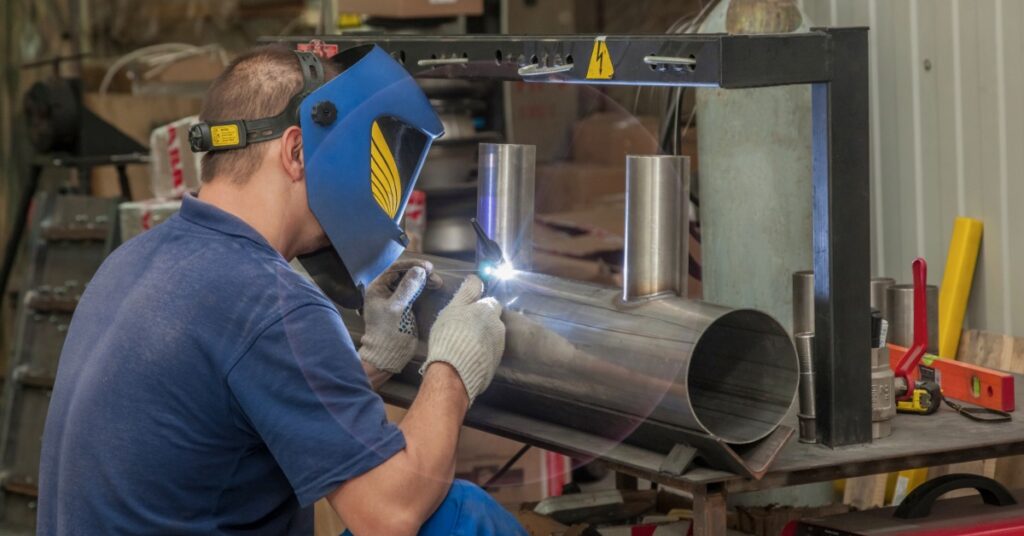
Thin stainless steel can shift the moment heat enters the joint. When the metal isn’t supported well, sections can lift, pull, or move out of line before the solder sets. Solid support keeps the pieces where you want them and helps the joint hold its shape while you work. It also cuts down on repeated heating, which is one of the biggest reasons thin stainless starts to warp.
Control The Heat from the Start
Heat control decides how well thin stainless steel holds its shape during soldering. Too much heat in one spot can cause the metal to ripple, pull, or discolor before the joint is even finished. A lower, controlled heat input gives the solder time to flow without overworking the surrounding area. Thin steel doesn’t give you much room for error, so keeping the temperature in check from the beginning helps the job stay clean and flat.
Watch The Color of the Metal
Thin stainless steel gives clear signs when it’s taking on too much heat. As the color changes, you can tell the metal is moving closer to overheating, which raises the chance of distortion and surface damage. Paying attention to those visual cues helps you back off before the panel starts to pull or wave.
Keep The Heat Moving Across the Joint
Thin stainless steel reacts poorly when heat sits in one place for too long. Holding the flame over a single area can swell the panel, pull the joint out of shape, and leave you with more cleanup than expected. A controlled, even motion spreads the heat across the repair area instead of driving it into one hot spot. Less concentrated heat helps the solder flow while the metal stays flatter and easier to manage.
Use Only Enough Solder to Fill the Joint
Too much solder can create its own problems on thin stainless steel. Excess material can puddle, spread beyond the repair area, and force more cleanup after the joint cools. A controlled amount gives you a cleaner bond and keeps the work focused where it belongs. Thin metal responds better when the joint is filled cleanly instead of overloaded, because extra buildup can add heat time and make the area harder to finish neatly.
Let The Joint Cool Without Rushing It
Thin stainless steel needs time to settle after heat leaves the joint. Sudden cooling can stress the metal and leave the area more prone to movement, surface marks, or an uneven finish. A natural cooldown helps the solder set properly and gives the steel a better chance to hold its shape.
Check The Joint Before Doing Any Finish Work
A thin stainless steel joint can look done before it’s actually ready for cleanup. Taking a close look first helps you catch weak fill, missed spots, or areas where the solder didn’t flow as evenly as it should have. Fixing those issues before any finishing work keeps you from grinding or reworking a joint that still needs attention. On thin steel, extra correction later can put you right back into the same heat and distortion problems you were trying to avoid.
Finish The Surface Gently
Thin stainless steel doesn’t give you much material to work with after soldering, so surface finishing needs a light touch. Aggressive grinding or heavy cleanup can thin the area further, mark the surrounding metal, or pull attention to the repair. A gentle finish helps preserve the shape of the steel and keeps the joint looking clean without creating a new problem. Clean work at this stage comes from restraint, not force.
Get Better Results Without Fighting the Metal
If you want to solder thin stainless steel without it warping, follow the steps above closely. It takes patience and good heat control, but it can be done. One of the most important steps we covered here is investing in the right materials. Cheap, inconsistent, or low-grade materials can lead to poor flow, weak bonding, and extra heat in the joint. At Muggy Weld, we carry high-quality maintenance welding products that will give you better flow and better hold. Our silver solder rods are one of the few types of rods strong enough to clean oxidized stainless steel and wet even burned stainless. They can be a great tool when you’re repairing a thin steel part, like a sink or stainless trim piece.