
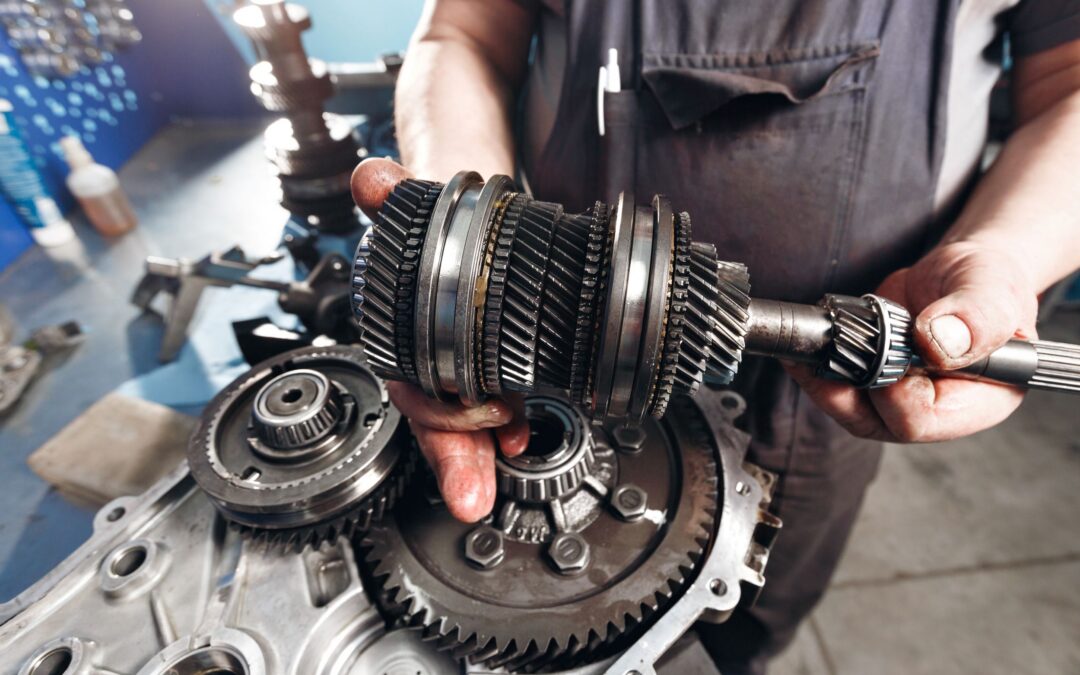
You were halfway through a busy Saturday, trying to squeeze in a quick repair, when you spotted a crack in your vehicle’s cast iron gearbox housing. The leak, the mess, and the cost of replacement hit you all at once. Instead of hauling the unit to the scrapyard, you want a way to fix it in your own space.
When you follow tips for cast iron gearbox repair without cracks that focus on prep, controlled heat, and slow cooling, you keep the casting stable and get that equipment back to work faster.

Strip Grease, Oil, And Paint Before Anything Else
Cast iron soaks up oil, and that trapped contamination ruins welds fast. Clean the housing completely before you touch a grinder or torch. Use a strong degreaser, rinse, then bake the casting with a torch or in an oven so the pores sweat out oil. Wipe residue as it appears. Remove paint, gasket material, and old sealant around the crack. When you see bright, dry metal with no shine from oil, you’ve got a better surface for a sound repair.
Chase Cracks and Drill the Ends
If you weld without stopping the crack, it keeps growing past the repair. Find the full length of each crack with a bright light and dye penetrant if you have it. Once you see both ends, drill a small hole at each termination point. That hole stops the crack from running farther. Don’t skip this just because the housing looks stable. Cast iron moves under heat, and those drilled ends give you a clear, controlled stopping point for your weld.
Grind A Smooth, Wide Groove in the Casting
A narrow, sharp groove concentrates stress and creates new cracks. Use a carbide burr or grinding wheel to open the damaged area into a smooth, wide “U” or “V” groove with rounded roots. You want enough depth to reach sound metal, not just shiny surface material. Clean out all loose graphite and slag from previous attempts. Blow the groove out with clean, dry air between passes. That groove gives your filler metal room to fuse and support the load without brittle edges.
Match Filler Metal to the Casting and Service
Cast iron gearboxes don’t all see the same abuse, so filler choice matters. For heavy, high-load housings, nickel-based electrodes or cast iron-specific rods handle stress and heat cycles better. For ears, covers, and non-structural bosses, brazing alloys often work well and reduce cracking risk.
Look at how the part works, not just what’s convenient on the shelf. When you choose filler that matches the job, the repair holds up under torque, vibration, and thermal cycling instead of failing on the first hard pull.
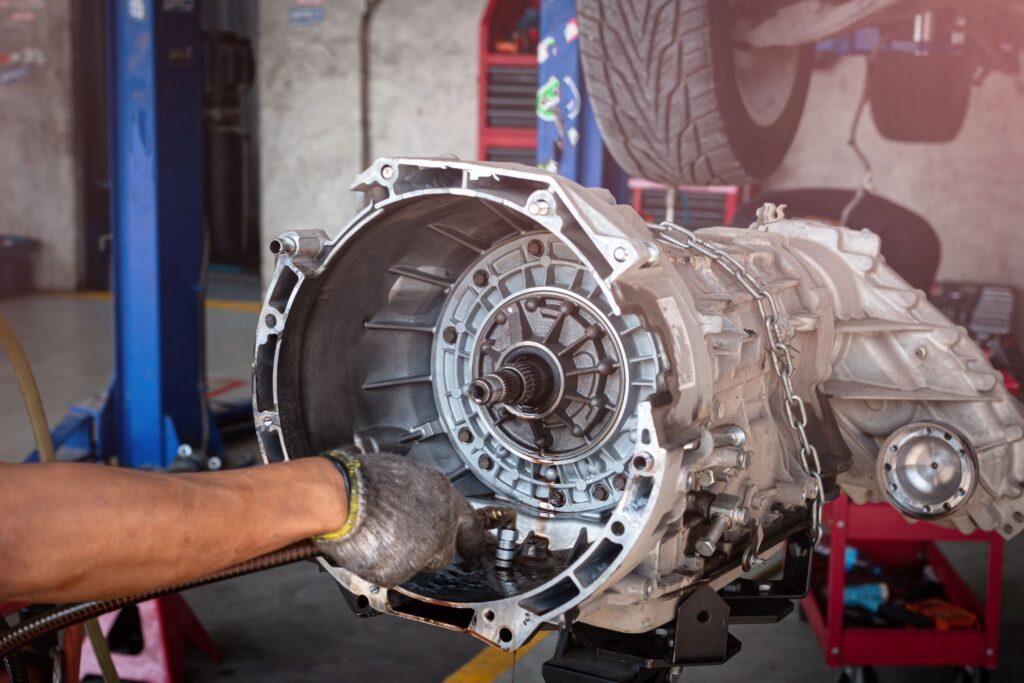
Preheat The Whole Gearbox Case Evenly
Cold cast iron and concentrated arc heat don’t mix. You avoid that shock by preheating the entire housing, not just the crack. Bring the case up gradually to a moderate temperature, then keep it there while you weld. Use an oven, a furnace, or a rosebud that you move around the casting. Don’t let one area glow while another stays cold. Even heat reduces internal stress, keeps hardness under control, and gives you much better odds of a crack-free repair that lasts.
Use Short, Controlled Beads Instead of Long Runs
Long, hot beads pull the casting as they cool and set up fresh stress lines. Run short beads instead, just long enough to tie in cleanly on each end. Watch your puddle and keep heat input under control. Stop before the area gets too hot, then move to another spot on the groove or a different crack. By doing so, you keep distortion in check, and you don’t shock the casting with big temperature swings. Short, controlled beads give cast iron time to respond more predictably.
Peen Each Bead While It’s Still Hot
Peening helps counteract shrinkage in cast iron. Right after you finish a bead, tap it with a rounded hammer while it’s still hot but not molten. You’re not trying to smash the weld, just work the surface enough to relieve tension as it cools. Keep the hammer moving and avoid sharp blows that could bruise the casting. This step doesn’t take long, and it makes the weld zone less likely to pull itself apart or start hairline cracks once the part drops back to room temperature.
Control Interpass Temperature and Cool-Down
Cast iron doesn’t respond well to sudden changes in temperature. Watch your interpass temperature, so the area stays warm but doesn’t climb into a range that creates hard, brittle zones. Let the part cool slightly between beads while staying within your chosen band. After the last pass, don’t hit the casting with air or water. Wrap the gearbox in insulation, bury it in dry sand, or use another method that slows cooling. A slow, steady drop back to room temperature keeps new cracks from forming.
Support The Gearbox Without Over-Restraint
Clamping a gearbox like a brake rotor invites stress. Support the housing firmly so it won’t move, but don’t lock it into a twisted position. Use blocks, stands, or a stable work surface that holds the weight evenly. If you bolt covers or caps in place during welding, snug them only enough to keep alignment, not tight enough to distort the casting. When the gearbox can expand and contract in a controlled way, you cut down on fresh stress and prevent new fractures from starting.
Finish, Machine, And Inspect Before Reassembly
The job doesn’t end when the casting cools. Grind the welds flush where needed, then check for low spots, undercut, or pores. If the area will see seals, bearings, or gasket surfaces, bring it back to size with careful machining. Use conservative speeds and feeds on repaired cast iron, since some zones feel harder than the original metal. After that, pressure test or leak test around the repair. You save time and money when you confirm integrity before loading the gearbox again.
Keep Gearbox Repairs Smooth and Crack Free
A cracked cast iron gearbox doesn’t need to go straight to the scrap pile. With these tips for cast iron gearbox repair without cracks, you can mend the damage, avoid repeat failures, and keep valuable equipment in service longer.
If you need high-quality, affordable welding consumables for maintenance work, shop at Muggy Weld today. We have alloys and electrodes, including options made for cast iron housings and components. We know this material isn’t easy to work with, so we focus on products that handle the demands of cast iron and help you worry less about cracking.