

Electrical conductivity matters in welding because a poorly conducting joint can create resistance, generate heat, and cause a connection to fail under load. Silver is one material with a notably high electrical conductivity rating. Here’s how that property affects silver solder joints and what can change the conductivity of the finished connection.
Why Conductivity Matters in a Solder Joint
When electricity flows through a joint, it follows the path of least resistance. If your filler metal conducts poorly compared to the base metal around it, the joint becomes a weak point in the circuit.
That resistance buildup translates to heat. In low-voltage applications, some heat dissipates without issue. In high-current systems, a resistive joint can arc, oxidize, or fail entirely.
A silver solder joint keeps conductivity high enough that the joint doesn’t interrupt the flow. That’s what makes it a preferred choice in electrical assemblies where the connection has to perform under load.
How Silver Compares to Other Common Metals
Silver sits at the top of the conductivity scale for metals. Copper is the closest competitor, but silver edges it out.
Lead-tin solder, which shows up in a lot of older electrical work, conducts significantly less efficiently than silver. Aluminum is lower still, and steel-based fillers drop even further down.
When you’re filling a joint in a copper wire assembly or an electrical bus bar, the difference between a silver filler and a lead-tin filler can affect how efficiently current moves through the repaired connection.
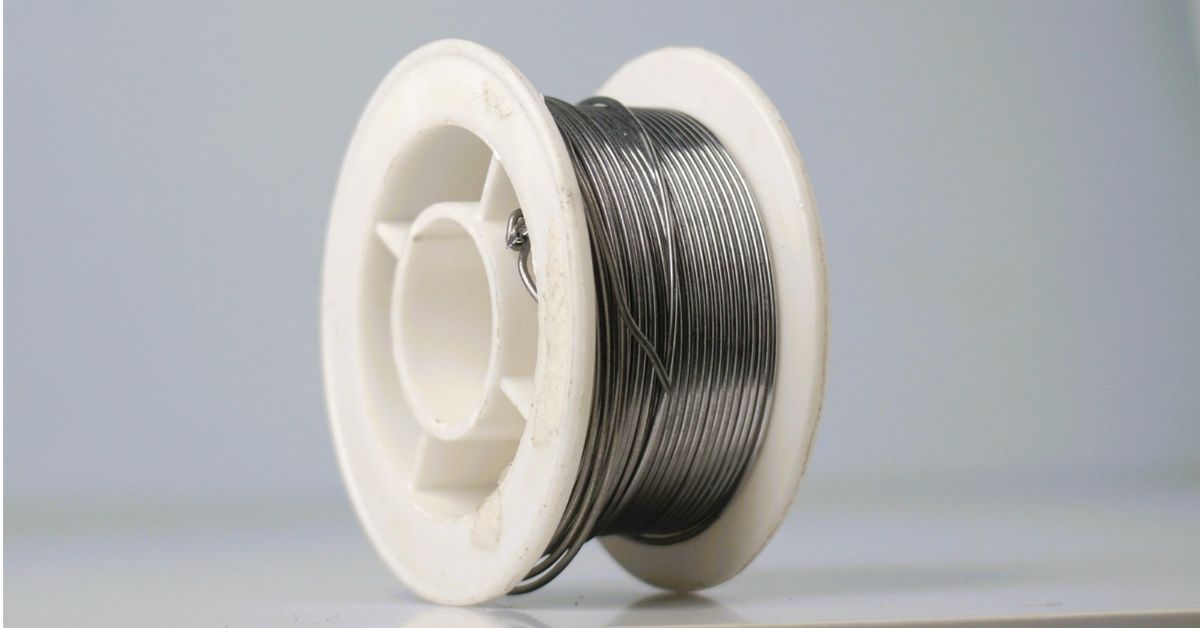
What Affects Conductivity in the Finished Joint
The filler metal’s silver content is the biggest factor, but it’s not the only one.
Porosity in the joint reduces the cross-sectional area where current can flow. Flux residue left on the joint surface adds a layer of resistance. An incomplete joint where the filler didn’t fully wet the base metal leaves voids that current has to route around.
So even if you’re using a high-silver filler, a sloppy joint will underperform. Conductivity in the finished joint reflects both the material and the execution.
Silver Content and Conductivity Percentages
Not all silver solder is created equal. A filler marketed as “silver solder” could be anywhere from 45% to 56% silver, with the rest made up of copper or zinc.
Higher silver content generally means higher conductivity in the joint, but the alloy composition matters too. Some formulations add copper specifically because it holds conductivity up while improving flow characteristics at lower temperatures.
If you’re working on an electrical application, check the silver percentage before you buy. A 56% silver alloy will outperform a 45% alloy in conductivity, even if both qualify under the broad “silver solder” label.
Temperature and Joint Integrity
Silver solder flows at a higher temperature than soft solder. That’s something to plan for.
The higher working temperature means the filler bonds metallurgically with the base metal instead of just sitting on top of it. That bond is what keeps the joint electrically stable under thermal cycling. When a connection heats up and cools down repeatedly, a weak bond starts to crack at the interface. A properly reflowed silver joint holds its conductivity through those cycles because the bond itself doesn’t degrade the same way.
If you’re working on an assembly that will see temperature swings, that bond stability is what you need from the filler metal.
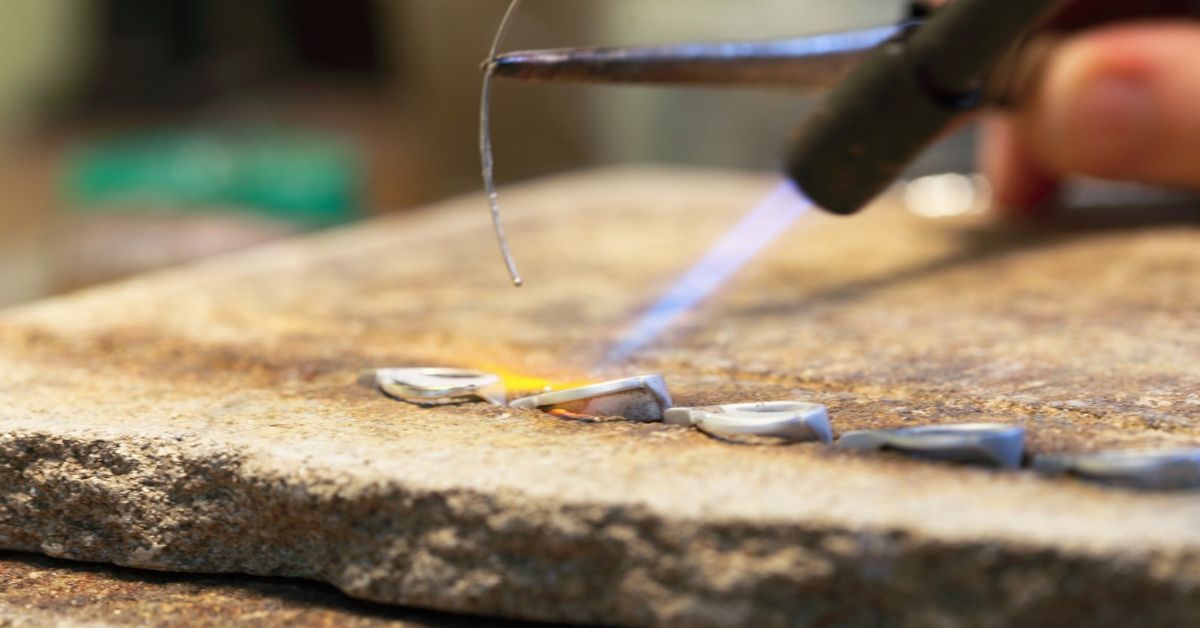
Flux and Its Role in Conductivity
Flux cleans the joint surface during heating and prevents oxidation while the filler flows. Without it, oxides form on the base metal and the filler won’t bond cleanly.
Here’s where people run into trouble: flux left on the joint after cooling is corrosive and resistive. It does its job during the weld, but it has no place in the finished connection.
After the joint cools, clean the flux residue off completely. A wire brush and hot water work for most water-soluble flux formulations. If you skip this step, you’re leaving a contaminating layer right at the point where current needs to flow freely.
Joint Fit-Up and Gap Size
Silver solder moves through a properly fitted joint through capillary action. As the joint reaches brazing temperature, the molten filler travels between the heated surfaces.
For silver brazing, a gap between 0.001 and 0.005 inches is the typical target. Tighter than that and the filler struggles to penetrate. Wider than that and capillary action weakens, which can leave pooled filler or voids in the joint.
If your fit-up is off, correct it before you apply heat instead of trying to compensate with extra filler.
Surface Preparation Before Soldering
Contamination on the base metal surface prevents the filler from bonding. Oils, oxides, and surface coatings all block the metallurgical bond you need for a conductive joint.
Clean the surface mechanically first. A wire brush or fine abrasive removes oxides and light scale. For oils or machining residue, a solvent wipe before heating is the right move.
The cleaner the surface going into the joint, the better the filler wets and flows. A joint where the filler wets completely conducts more evenly than one where the bond is spotty across the interface.
Inspecting the Joint After Cooling
A visually sound silver solder joint is smooth and shows filler flow all the way around the joint line. If you see pitting, voids, or areas where the filler didn’t wet, those are conductivity problems waiting to surface.
Pitting usually points to flux contamination during the braze. Voids often come from gaps that were too wide or from pulling the filler away from heat too early.
For electrical applications, a simple resistance check with a multimeter tells you what the eye can’t. If the joint registers higher resistance than the base metal on either side, something in the bond is incomplete. Catching that now keeps you from chasing an intermittent failure later.
Now You Know About Electrical Conductivity in Silver Solder Joints
Electrical conductivity in silver solder joints runs higher than in lead-tin solder or aluminum fillers, which means less resistance at the joint, less heat buildup under load, and a connection that holds its performance through thermal cycling. For electrical repairs and high-current assemblies, silver is the filler metal that actually keeps up with the demands of the application.
At Muggy Weld, we sell silver solder rods and other alloys built for maintenance welding and precision repair. Shop our selection and find the right filler for your next job.