
As a welder, you’ll use a range of metals for your projects, including popular options like steel, aluminum, copper, stainless steel, and cast iron.
When you select a metal for a weld, you’ll want to consider factors like strength, corrosion resistance, and most of all, whether the metal is ferrous or non-ferrous. For those unfamiliar with these terms, let’s take a closer look at the difference between ferrous and non-ferrous metals and what types of metals fall into each category.
What Are Ferrous Metals?
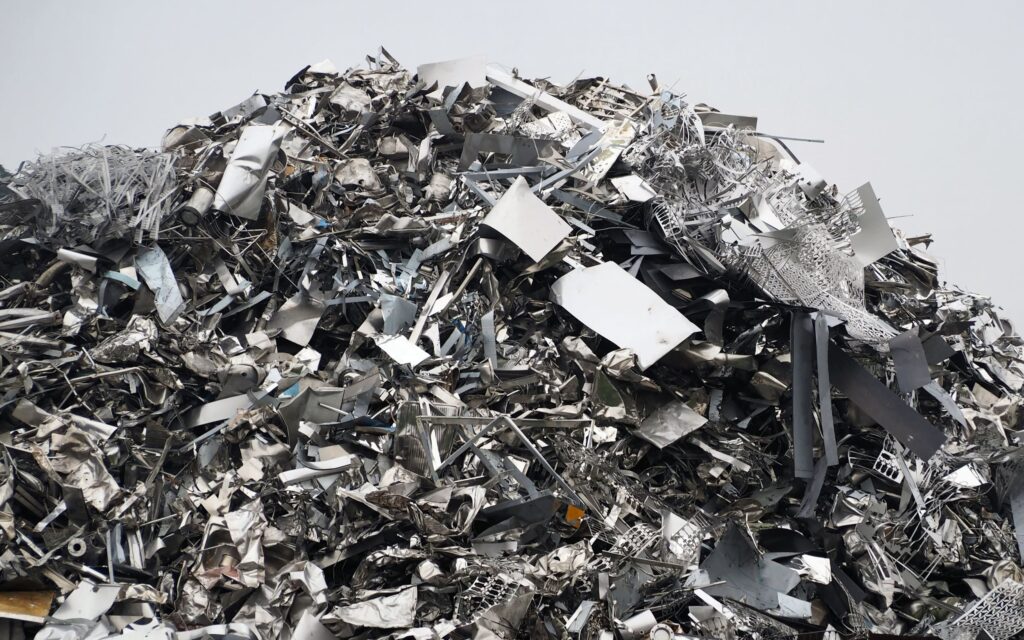
Ferrous metals are metals that contain iron. The name itself comes from “ferrum,” the Latin word for iron. The presence of iron gives these metals magnetic properties, which is one of their main identifying characteristics. If you hold a magnet to a piece of metal, and it sticks, you’ve got a ferrous metal on your hands.
This iron content also means ferrous metals have high tensile strength and durability, which makes them common in large-scale construction and industrial applications. On the downside, the high carbon content in most ferrous metals makes them susceptible to rust when exposed to moisture. There are exceptions, like stainless steel, which gets extra corrosion resistance from chromium.
Common Types of Ferrous Metals
There’s a whole family of ferrous metals out there, but you’ll probably work with a few common ones.
Carbon Steel
Carbon steel is an alloy of iron and carbon. It’s incredibly strong, which explains its use in everything from structural beams for skyscrapers to the car you drive. The amount of carbon in the steel affects its properties. Low-carbon steel is more ductile and weldable, while high-carbon steel is harder and can hold a sharp edge, which is why it appears in knives and drill bits.
Stainless Steel
Stainless steel is another iron alloy, but it gets its “stainless” quality from the addition of chromium. It contains a minimum of 10.5 percent chromium, which creates a passive layer of chromium oxide on the surface. This layer protects the steel from corrosion and rust, a huge advantage over standard carbon steel. You see it everywhere, from kitchen sinks and cutlery to surgical instruments and automotive parts.
Cast Iron
Cast iron is an iron alloy with a high carbon content, usually over 2 percent. This high carbon level makes it brittle, but it has a low melting point and excellent fluidity, which makes it easy to cast into complex shapes. You’ll find cast iron in engine blocks, machine parts, cookware like skillets, and even some pipes and manhole covers. It handles compression very well, but it can crack under sharp impacts.
What Are Non-Ferrous Metals?
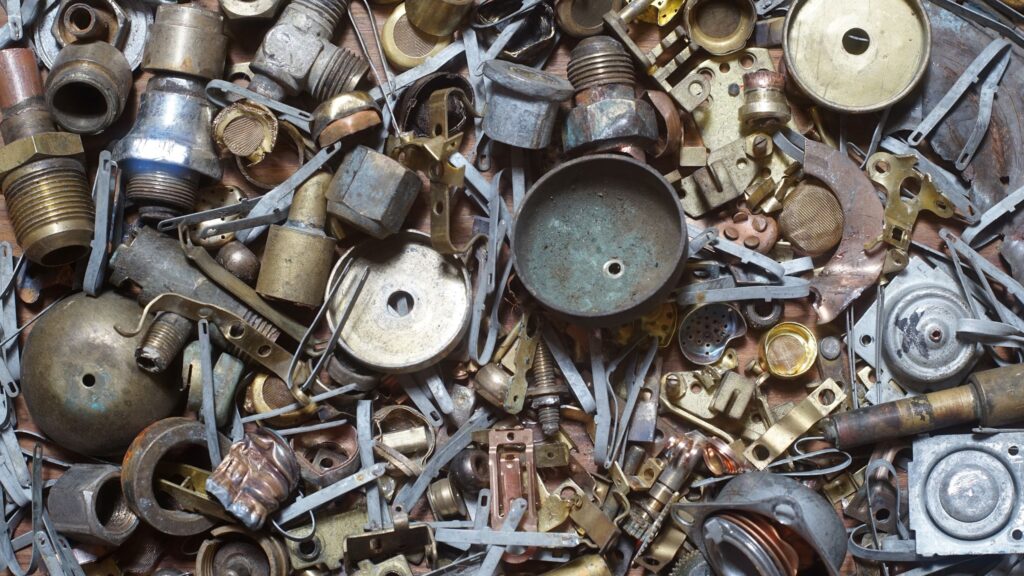
Non-ferrous metals are, you guessed it, metals that don’t contain any iron. Since they lack iron, they’re not magnetic. This is the quickest way to tell them apart from their ferrous counterparts. Grab a magnet, and if it doesn’t stick, the metal is non-ferrous.
These metals offer a different set of advantages. They’re generally more malleable and much more resistant to rust and corrosion than ferrous metals. They also have excellent thermal and electrical conductivity. Another bonus of non-ferrous metals is that they’re lightweight. For applications that require a lightweight finished result, like airplane components or laptop casings, non-ferrous metals like aluminum are preferred over heavier ferrous ones.
Common Types of Non-Ferrous Metals
You’ll encounter a wide variety of non-ferrous metals in your welding work. Each has its own unique characteristics.
Aluminum
Aluminum is a fan favorite for its light weight and impressive corrosion resistance. It’s a soft, durable metal that’s about one-third the density of steel. This low weight makes it a top pick for aircraft manufacturing, car parts, window frames, and even soda cans. It also conducts heat and electricity well and is almost infinitely recyclable without losing its quality.
Copper
Copper is instantly recognizable by its reddish-brown color. Its claim to fame is its superb electrical conductivity, second only to silver. This property makes it the top material for electrical wiring in homes and electronics. Copper also resists corrosion and is an excellent thermal conductor, which explains its use in plumbing pipes, roofing materials, and the bottom of high-end pots and pans.
Brass
Brass is an alloy of copper and zinc. With its bright, gold-like appearance and greater malleability compared to bronze or zinc, brass is a common find in decorative items, such as jewelry, musical instruments, and ornate fixtures. You can also use brass for locks, gears, bearings, and valves thanks to its low-friction and corrosion-resistant properties, which make it durable, reliable, and great for minimizing wear in moving parts.
Lead
Lead is a dense, soft, and highly malleable metal. It has a low melting point and is resistant to corrosion. Historically, it was used for plumbing and as an ingredient in paint, but its toxicity has led to a sharp decline in these uses. Today, you’ll find lead in car batteries, radiation shielding (like the aprons at the dentist’s office), ammunition, and as a component of solder.
Metal Applications and Selection
So, how do you choose between a ferrous and a non-ferrous metal for your project? The decision usually comes down to the specific demands of the job.
Ferrous metals often appear in:
- Large-scale structural projects like bridges and buildings
- Automotive manufacturing for frames and engines
- Industrial machinery and tools
- Railroad tracks and shipping containers
- Pipes for oil and gas transportation
Non-ferrous metals are frequently used for:
- Aerospace applications where weight reduction is a priority
- Electrical wiring and electronic components
- Plumbing pipes and fixtures
- Roofing and gutters
- Decorative items and architectural details
When you’re choosing a metal, consider the environment it will be in, the strength it needs, and your budget. Are you designing something that’ll be exposed to moisture? Consider using a non-ferrous metal or stainless steel to prevent corrosion. Will your project need to bear a heavy load? Ferrous metals like carbon steel are built to handle the weight. Does it need to conduct electricity? Go with copper—it’s an excellent conductor.
Choosing the Right Material for the Job
What’s the difference between ferrous and non-ferrous metals? Scientifically speaking, it’s their iron content. Practically speaking, it’s their magnetic properties, weight, strength, and resistance to corrosion. Whether a metal is ferrous or non-ferrous will affect its properties and its compatibility with other materials, so think carefully about what you need for each project.
At Muggy Weld, we sell welding supplies compatible with both ferrous and non-ferrous metals. We’re an online welding store with a reputation for quality products, helpful customer service, and reliable support. If you need to stock your home workshop, drop by and grab rods, fluxes, torches, and more.