How to Use a Heat Sink When TIG Welding a VW Bug Door Panel
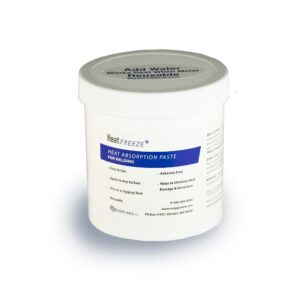
Welding thin automotive panels can spread heat beyond the hole being repaired, affecting the surrounding sheet metal. At Resurrection Auto Body in Olympia, WA, Jim used Heat Freeze as a heat sink while TIG welding holes in a Volkswagen Bug’s steel door panel. He compared a repair protected with heat-absorbing paste against an unprotected repair to see how the surrounding metal responded.
The comparison showed a smaller heat-affected zone and less warpage around the protected repair. It also revealed an important placement issue: Heat Freeze can absorb enough heat to interfere with welding when positioned too close to the hole.
Comparing Protected and Unprotected Door Panel Repairs
Jim applied Heat Freeze around one hole in the steel door panel and left a second hole unprotected. The protected hole was larger, while the unprotected hole was approximately the size of a pinhole.
After TIG welding both areas, Jim compared the surrounding metal. Despite the difference in hole size, the larger repair protected with Heat Freeze had a smaller heat-affected zone than the unprotected pinhole repair. The protected area also showed less door panel warpage.
This comparison illustrates how a heat sink can limit heat spread into the sheet metal surrounding a repair. On Jim’s VW door panel, the paste helped keep the effects of welding more localized while the hole was filled.
Heat Sink Placement: Leave Room Around the Weld
During one of the door panel welds, the heat absorption paste was accidentally positioned too close to the hole. Heat Freeze pulled enough heat away from the welding area that the weld failed to form properly.
The correction was straightforward. The paste was removed and repositioned to leave more space between Heat Freeze and the area being welded. Welding then continued with the paste farther from the hole.
Placement matters because the repair area still needs sufficient heat for the weld to form. Apply the heat sink around the area you want to protect, leaving room for welding at the hole. If the paste interferes with the weld, reposition it farther from the repair rather than laying it against the welding area.
Removing and Reusing Heat Freeze
After completing the door panel repair, allow the weld to cool naturally before removing Heat Freeze. Return the paste to its jar for future use, and wear gloves when handling it directly.
If Heat Freeze begins to dry out, add water and mix it to rehydrate the heat absorption putty. Rehydrating and returning the material to its container allows it to be used again on subsequent repairs.
Using a Heat Sink Near Other Sensitive Materials
Brazing, soldering, and welding often take place near materials that can be damaged by heat. Protecting those components may otherwise require time-consuming disassembly and reassembly. Heat Freeze provides a way to absorb heat near the repair while shielding surrounding areas.
Heat Freeze can be used in any position and applied to many surfaces, including paint, rubber, metal, chrome, glass, plastic, wood, vinyl, and previously welded or soldered areas. These applications extend beyond thin steel door panels to repairs located near finishes, seals, trim, and other heat-sensitive materials.
Holding Parts in Place for Jewelry Repairs
Heat Freeze can also be used as a jig in jewelry repair and jewelry applications. In addition to absorbing heat, the putty can hold parts in position during the work.
For Jim’s VW Bug repair, the important combination was protection around the hole and enough space for the TIG weld to form. The protected area showed less warpage and a smaller heat-affected zone, while the placement correction demonstrated why the paste should remain clear of the immediate welding area.
Disclaimers:
Before using Muggy Weld products, please review and follow the welding safety guidelines provided by the American Welding Society (AWS): https://www.aws.org/Standards-and-Publications/Free-Resources/#YourResources.
Additional product safety information is available at https://muggyweld.com/safety-guidelines
Muggy Weld LLC shall not be liable for any loss, injury, claim, liability, or damage of any kind resulting from or related to (a) the use of this website or its contents, (b) the use or misuse of any welding products or services obtained through this website, (c) errors in or omissions in the information provided, (d) the unavailability or interruption of this website or its features, (e) reliance on any instructions, techniques, or demonstrations presented on this website.
Safety Data Sheets (SDS) are available upon request with purchase from MuggyWeld.com.
Updated 10/11/26