Repair Steel Auto Body Panels Without Warping the Metal
Thin steel auto body panels can distort when too much heat spreads beyond the repair area. That makes heat control especially important when working close to heat-sensitive components or on panels where preserving the original shape matters.
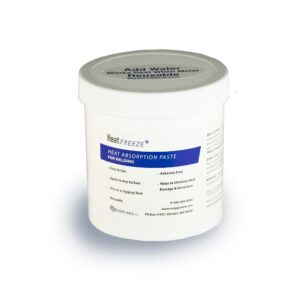
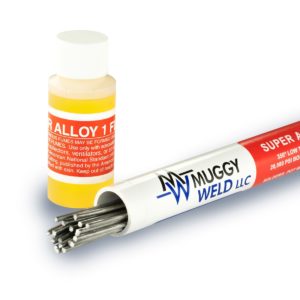
This steel auto body panel is repaired with Super Alloy 1 and Heat Freeze Heat Paste, formerly called Cool Blue. Super Alloy 1 works at 350°F, while Heat Freeze creates a barrier around the work area to limit heat transfer through the surrounding sheet metal.
Control Heat Around the Auto Body Repair
Heat Freeze is applied to the parent metal around the section being repaired. The paste absorbs heat and confines more of the torch heat to the immediate work area, helping protect the surrounding panel from warpage.
Placement matters. Leave adequate space between the Heat Freeze and the section that needs to reach soldering temperature. The paste absorbs heat so effectively that placing it too close to the repair can prevent the steel from getting hot enough for Super Alloy 1.
This combination is also useful when a repair sits close to other components that should not be exposed to unnecessary torch heat.
Heat the Steel Panel Broadly
Once the Heat Freeze is positioned, broadly heat the steel parent metal rather than holding the flame in one small area. Super Alloy 1 requires only a 350°F working temperature, so there is no need to bring the steel anywhere near its melting point.
Apply the liquid flux as the panel is heated. Super Alloy 1 flux begins with a honey-colored appearance and turns root beer brown when the base metal reaches approximately 350°F. At that point, the steel is ready for the filler rod.
Keeping the heat moving across the repair area helps the panel warm more evenly while the Heat Freeze limits how far that heat travels through the surrounding sheet metal.
Apply Super Alloy 1 at 350°F
When the flux reaches its root beer brown stage, apply the Super Alloy 1 rod to the heated steel. The flux and filler are designed to work together so the color change indicates when the parent metal is ready to accept the solder.
Super Alloy 1 is an all-position solder, so some auto body repairs can be completed without removing the damaged panel or disassembling surrounding components. Depending on the location of the damage, that can reduce the amount of work needed to access and repair the area.
Super Alloy 1 Bonds Steel and Dissimilar Metals
Although this repair involves a steel auto body panel, Super Alloy 1 is a multi-metal solder. It bonds steel, pot metal, aluminum, copper, galvanized metal, pewter, brass, bronze, Zamak, zinc die cast, zinc-plated steel, lead, and monkey metal.
The alloy can also join ferrous and nonferrous metals to one another, including aluminum to steel. That versatility can be useful in automotive restoration and repair when different parent metals are found within the same assembly.
Choose a Heat Source for the Repair
A range of heat sources can bring Super Alloy 1 to its 350°F working temperature. Documented options include propane, oxyacetylene, butane, oxy-MAPP, a large soldering iron, and a heat gun.
Regardless of the heat source, the objective on a thin body panel remains the same: heat the immediate repair area enough for the solder to flow without unnecessarily heating the surrounding steel.
Let the Panel Air Cool Before Removing Heat Freeze
After the repair is complete, allow the auto body panel to air cool completely before removing the Heat Freeze. The paste should remain in place while the metal is still hot so it can continue protecting the surrounding area during the cooling period.
Use enough Heat Freeze to protect the areas at risk from heat transfer. If the paste begins to dry, add water as needed to keep it moist. Gloves can be used during application, and hands should be washed after handling the material.
Keep Thin Auto Body Steel in Shape
For steel body panels, the temperature outside the immediate repair can be as important as the filler material inside it. Excess heat can distort a panel and turn a localized repair into a larger bodywork problem.
Super Alloy 1 keeps the soldering temperature at 350°F, while Heat Freeze isolates nearby steel and heat-sensitive areas. That combination allows localized auto body panel repairs to be completed while reducing the heat that reaches the rest of the panel.
Disclaimers:
Before using Muggy Weld products, please review and follow the welding safety guidelines provided by the American Welding Society (AWS): https://www.aws.org/Standards-and-Publications/Free-Resources/#YourResources.
Additional product safety information is available at https://muggyweld.com/safety-guidelines
Muggy Weld LLC shall not be liable for any loss, injury, claim, liability, or damage of any kind resulting from or related to (a) the use of this website or its contents, (b) the use or misuse of any welding products or services obtained through this website, (c) errors in or omissions in the information provided, (d) the unavailability or interruption of this website or its features, (e) reliance on any instructions, techniques, or demonstrations presented on this website.
Safety Data Sheets (SDS) are available upon request with purchase from MuggyWeld.com.
Updated 11/6/26