
Achieving strong, reliable welds starts with one critical decision: choosing the right welding consumables. Think of them as the backbone of your welding process. Get it right, and you’ll see improved performance, fewer headaches, and top-notch results.
But with so many materials, techniques, and applications to juggle, how do you make the best choice? This guide dives into the essentials, from material compatibility to joint design, giving you the tools to pick consumables that elevate your work, minimize downtime, and keep your projects running smoothly.
Choosing Welding Consumables for Different Welding Processes
Selecting the right consumables starts with understanding the welding process that you’re using. Here’s a breakdown of the major welding methods and what to consider when choosing consumables for each.
MIG Welding (Gas Metal Arc Welding)
MIG welding is known for its versatility and efficiency. It uses a continuously fed wire electrode that melts to create the weld. When selecting consumables for MIG welding, focus on the type of wire you need based on the base material, whether it’s steel, aluminum, or stainless steel.
Additionally, consider shielding gas requirements, as the choice of gas, such as argon, CO2, or a mix, can significantly impact weld quality and strength. Ensuring compatibility between the wire and gas is key to achieving clean, precise results.
TIG Welding (Gas Tungsten Arc Welding)
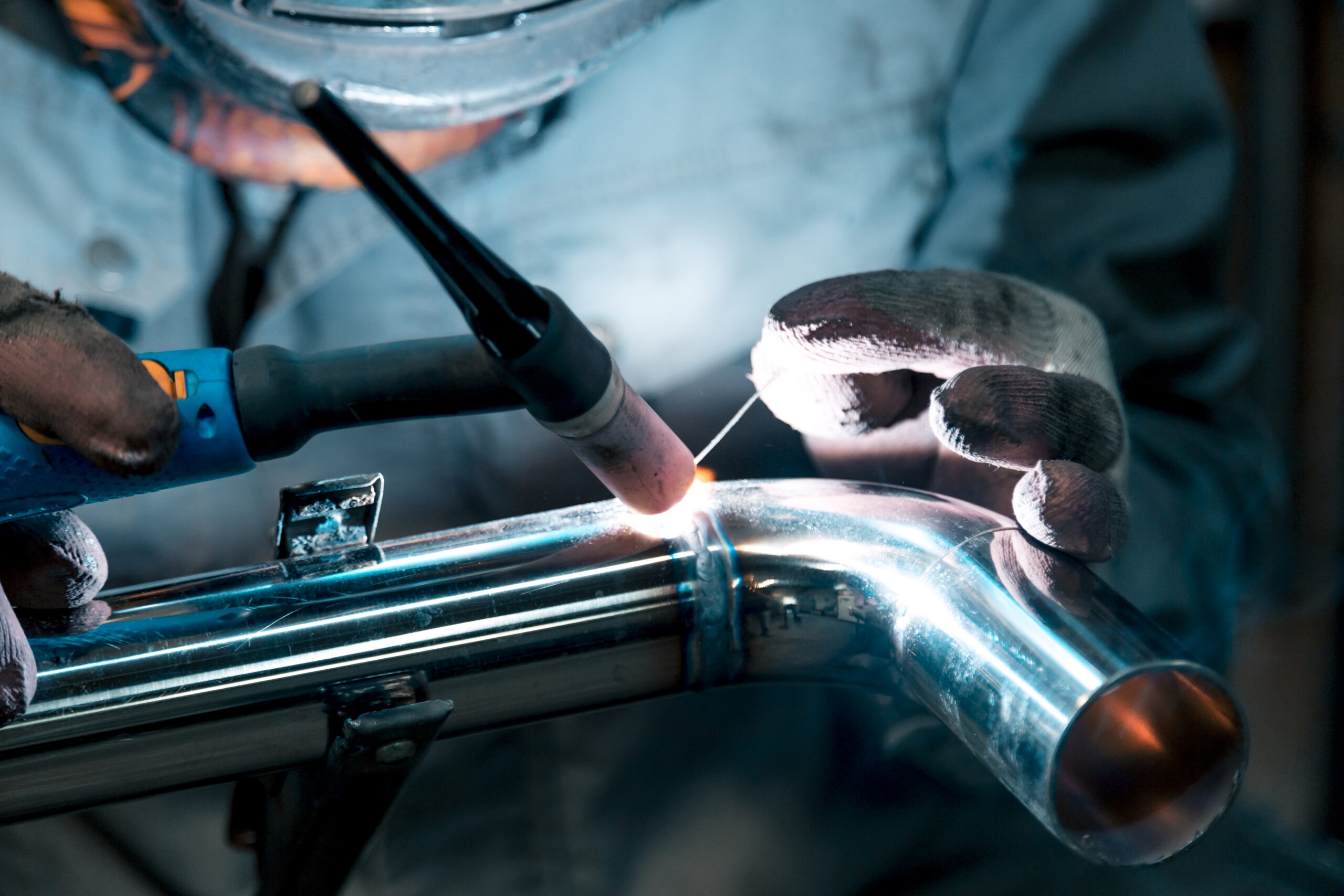
TIG welding offers unmatched precision and is often the go-to method for high-quality welds on thin materials. The process uses a nonconsumable tungsten electrode, with filler rod added when the joint and application require it.
When choosing consumables for TIG welding, focus on the type of tungsten electrode, such as pure, thoriated, or lanthanated, suited to your material. The filler rod must also match the base metal to ensure a strong bond. For example, using ER70S-2 filler rods for mild steel or ER4043 for aluminum ensures better compatibility and weld integrity.
Stick Welding (Shielded Metal Arc Welding)
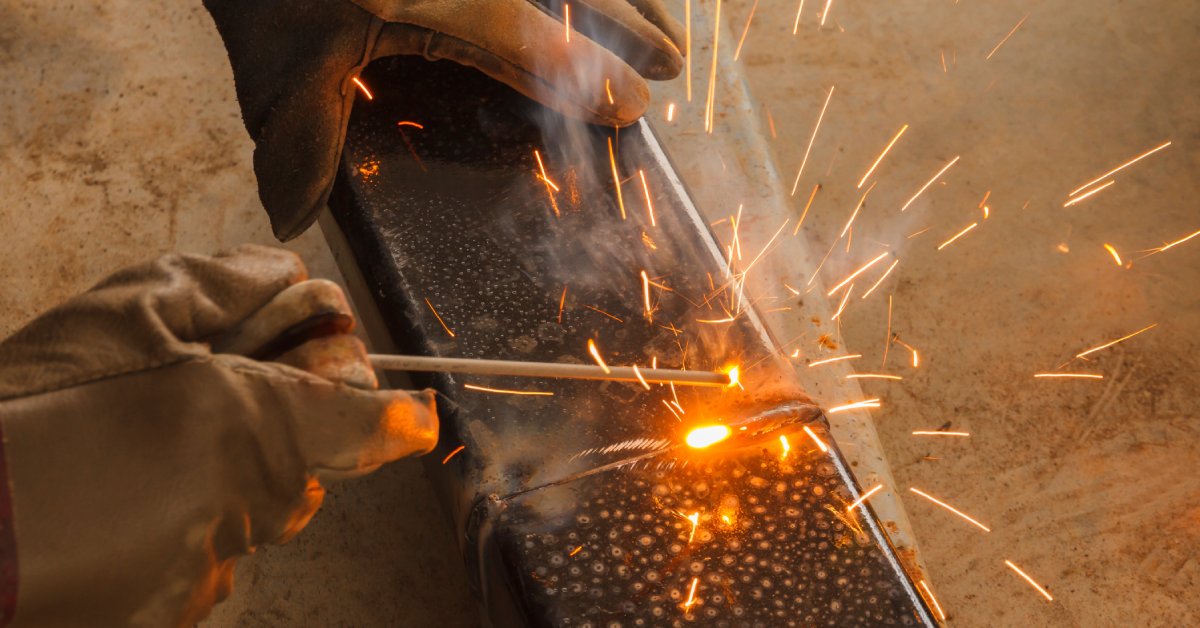
Stick welding is a rugged and straightforward process that works well in outdoor or less-controlled environments. It uses consumable electrodes coated in flux to protect the weld area.
When selecting consumables, pay attention to the electrode classification, which dictates the material, strength, and coating type. Certain electrodes are better suited for specific positions or conditions. For example, E6011 works for vertical welding and applications involving less-than-perfect surface conditions, and E7018 is suitable for structural work requiring high strength and low hydrogen.
Flux-Cored Arc Welding
Flux-cored arc welding uses a continuously fed wire electrode containing flux. Self-shielded wires produce their own shielding protection, while gas-shielded wires require an external shielding gas.
Consumables for flux-cored welding hinge on choosing the correct wire type: self-shielded wires for situations where external shielding gas isn’t available or gas-shielded wires when conditions permit. Like MIG, matching the wire with the base material is crucial for optimal performance.
Base Material Compatibility
Choosing consumables that match the composition of the base material is critical for achieving strong, durable welds. Each base material, including stainless steel, aluminum, carbon steel, and cast iron has unique properties that influence the selection of welding wire or rod.
For stainless steel, the correct consumable ensures both corrosion resistance and strength in the finished weld. Stainless steel has different grades, and the filler material must align with the grade you are welding to maintain compatibility. For example, a 316-grade filler is ideal for welding 316-grade stainless steel to preserve its superior corrosion resistance in harsh environments.
When working with aluminum, matching the alloy type is essential, as aluminum is softer and more prone to issues such as cracking. Common filler materials for aluminum include alloys like 4043 or 5356, which are designed with specific base alloys in mind. The choice depends not only on the base material but also on the conditions the weld will face, such as exposure to elements or mechanical stress.
For carbon steel, selecting the right welding consumables depends on the steel’s composition, required weld strength, and susceptibility to cracking. Low-carbon steels are generally easier to weld, while higher-carbon steels may require additional precautions, such as preheating and controlled cooling, to reduce the risk of cracking. Choosing a compatible filler metal and following the appropriate welding procedure helps produce a strong, reliable weld.
Cast iron requires particular care when selecting welding consumables because its high carbon content and brittle structure make it susceptible to cracking. Specialized cast iron electrodes are designed to accommodate these properties. The appropriate rod depends on the type and condition of the casting, particularly when repairing older, heat-affected, or previously welded components.
Joint Design and Application
The choice of joint design plays a critical role in determining the appropriate consumables for a welding project, as it directly affects the overall strength, durability, and performance of the weld. For instance, different joint types, such as butt joints, lap joints, T-joints, or corner joints, each present unique challenges and requirements that impact the selection of consumables.
A butt joint may require consumables with deeper penetration properties to ensure sufficient fusion through the full thickness of the materials, whereas a lap joint might need consumables that allow for effective bonding over overlapping surfaces.
Material thickness is another key factor influencing consumable choice. Thicker materials may require larger-diameter filler metals, additional weld passes, and greater heat input to achieve adequate penetration and fusion.
On the other hand, thinner materials often require precision and consumables that can minimize heat distortion or burn-through. For example, finer-diameter wires or electrodes might be preferable for thin sheets to maintain the integrity of the materials being joined.
Finally, the complexity of the joint design can add another layer of consideration. Multi-pass welds, tight angles, or intricate joint configurations demand a higher level of control and consumables capable of producing clean, reliable results in constrained spaces. Selecting consumables tailored to meet these demands improves both efficiency during welding and the long-term performance of the weld.
Operating Environment
When considering the operating environment, account for factors such as temperature, humidity, and exposure to corrosive substances. Extreme temperatures, whether hot or cold, may impact the integrity of both the weld and the base material over time.
For instance, cold environments can make certain metals brittle, requiring consumables with enhanced toughness and low-temperature impact resistance to prevent cracking. Conversely, in high-temperature settings, materials must withstand thermal expansion and retain strength under heat, which demands consumables designed for such conditions.
Humidity and moisture are also important to consider, as they can introduce hydrogen into the weld, leading to defects such as hydrogen-induced cracking. Low-hydrogen electrodes, or consumables with specialized flux coatings, are often recommended to mitigate this issue. When welding outdoors, protecting equipment and the work area from rain and moisture, keeping consumables properly stored, and following appropriate electrical safety precautions are essential.
For applications with frequent exposure to corrosive substances, such as chemicals, saltwater, or acidic environments, it’s vital to select consumables engineered for corrosion resistance. Stainless-steel or nickel-based fillers are excellent options for improving durability in these challenging conditions. Similarly, underwater welding presents a unique set of challenges, requiring specialized wet welding electrodes that are waterproof and capable of performing reliably at elevated pressures and in submerged environments.
Choosing the right welding consumables is essential to the success of your projects, whether you’re tackling intricate repairs or large-scale fabrication. By understanding your material needs, project goals, and the specific requirements of your welds, you can make confident, informed decisions that lead to durable and reliable results.
Here at Muggy Weld, we’re a comprehensive online welding store, proud to offer high-quality supplies to meet a variety of applications and needs. Our team is always here to help you find the products that suit your projects best—because with the right tools and knowledge, you can take your welding work to the next level.