How to Weld a Cast Iron Engine Block
Repairing a damaged engine block can feel like the end of the road for a vehicle. Cast iron is known for being brittle, heat-sensitive, and difficult to weld, which is why many shops refuse these repairs.
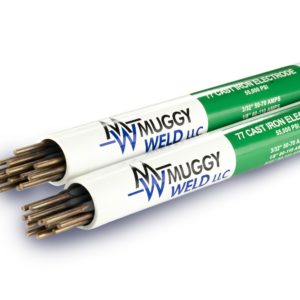
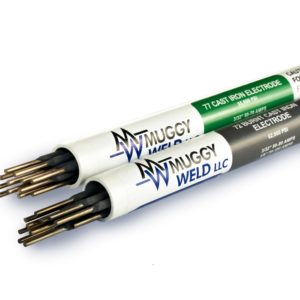
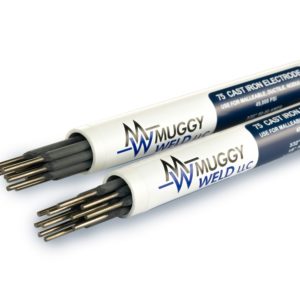
However, with the right technique and correct welding rod, cast iron engine block repair is not only possible but can be highly effective. This guide walks through a real-world repair using Muggy Weld 77 cast iron welding rods, a product specifically designed for cast iron welding.
Why Welding a Cast Iron Engine Block Can Be Challenging
Cast iron behaves differently than steel or aluminum. Understanding its properties helps explain why proper technique is critical.
Brittleness and Cracking
Cast iron has a high carbon content, which makes it strong but prone to cracking when subjected to uneven heating.
Heat Sensitivity
Rapid temperature changes can cause expansion and contraction, leading to fractures during or after welding.
Porosity and Contamination
Engine blocks often absorb oil and contaminants over time, which can interfere with weld quality.
Real-World Cast Iron Engine Block Repairing
A Muggy Weld customer, Mike Timm, faced a serious issue with his recently purchased 2004 Jeep Wrangler, which had 212,000 miles on it. When Mike purchased the vehicle, he noticed the motor had a low knock, which turned out to be a broken piston skirt that had punched a hole in the side of the block. After researching the cost of a crate motor, Mike decided to rebuild the original cast iron engine block.
Mike contacted several shops about welding the block and was surprised to hear a “No” from every weld shop he tried. With no professional cast iron repair options available, Mike decided he had little to lose by attempting the repair himself, and purchased a kit of Muggy Weld 77 cast iron welding rods.
Mike used a standard old Lincoln arc welder and a quarter-inch-thick mild steel plate to cover the hole. He first tacked the steel into place with the 77 cast iron electrode and welded side to side to prevent the cast iron from getting too hot.
The patch fused in easily; Mike welded the seam closed within minutes, with no special tools. Mike dropped the engine off at a machine shop, and they found no problems with the patch. After magna fluxing the block, it passed with flying colors.
We’d like to thank Mike for restoring his cast iron engine block, for sharing his photos, and for not taking “No” for an answer.
Tips to Weld a Cast Iron Engine Block
-
For best results, clean and bevel the cast iron before welding
-
Grind or sand the repair to expose bright, clean metal before welding
-
Gently preheat the cast iron if possible. Preheating helps remove moisture out of the cast, preventing pinholes and porosity
-
If the rod undercuts, turn your amperage down
-
If the rod looks ropey or doesn’t penetrate, turn your amperage up
-
Drill a stop hole at each end of any cracks to help prevent further propagation
Disclaimers:
Before using Muggy Weld products, please review and follow the welding safety guidelines provided by the American Welding Society (AWS): https://www.aws.org/Standards-and-Publications/Free-Resources/#YourResources.
Additional product safety information is available at https://muggyweld.com/safety-guidelines
Muggy Weld LLC shall not be liable for any loss, injury, claim, liability, or damage of any kind resulting from or related to (a) the use of this website or its contents, (b) the use or misuse of any welding products or services obtained through this website, (c) errors in or omissions in the information provided, (d) the unavailability or interruption of this website or its features, (e) reliance on any instructions, techniques, or demonstrations presented on this website.
Safety Data Sheets (SDS) are available upon request with purchase from MuggyWeld.com.
Updated 10/13/26