Solder Aluminum to Stainless Steel with Super Alloy 1
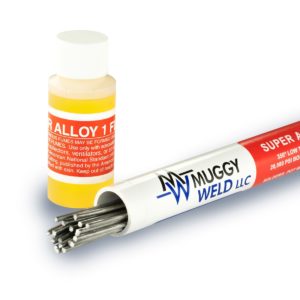
Super Alloy 1 multi-metal solder can be used to join a variety of dissimilar metals, including aluminum and stainless steel. In this video, learn how to solder aluminum to stainless steel with a propane torch at a working temperature of just 350°F.
Joining aluminum to stainless steel has traditionally been difficult because the two metals have different properties. Aluminum conducts heat rapidly, while stainless steel conducts heat more slowly. Both metals also form surface oxides that can interfere with bonding.
Previously, joining aluminum to stainless steel was considered nearly impossible using conventional welding methods. Fortunately, Super Alloy 1 solder and flux kit makes this challenging application much easier without melting the base metals.
The finished joint has a published bonding strength of 20,000 PSI, making Super Alloy 1 useful for suitable low-temperature soldering applications.
How to Solder Aluminum to Stainless Steel
Clean Both Metals Before Soldering
Pre-cleaning both the aluminum and stainless steel is necessary just before beginning to solder. Failure to clean either metal may result in improper bonding, causing the finished solder joint to fail.
Use a wire brush, sandpaper, Dremel tool, or another suitable abrasive to remove surface oxidation and contaminants from the areas being joined.
Aluminum begins forming a new oxide layer almost immediately after cleaning, so it’s important to prepare the surfaces shortly before applying the solder.
This preparation is also important when soldering copper to aluminum, another dissimilar-metal application using Super Alloy 1.
Apply Super Alloy 1 Flux and Heat the Metals
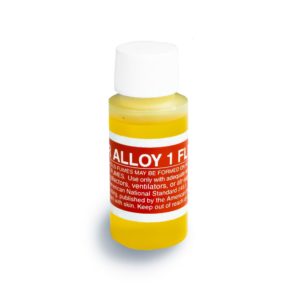
Super Alloy 1’s unique liquid flux works as a visual temperature guide, changing from honey-colored to root beer brown when the aluminum and stainless steel reach the proper working temperature of 350°F.
Dip the solder rod into the flux and apply the flux to the joint area. Begin heating both metals broadly with a propane torch, keeping the flame moving to distribute heat across the workpiece.
Indirect heating is very important when soldering aluminum to stainless steel. Concentrating the torch flame in one location can overheat the flux or damage the parent metal.
Because aluminum dissipates heat quickly, the two metals may not warm at the same rate. Watch the flux rather than relying on the amount of time the torch has been applied.
The flux should change color as the base metals heat. Applying the flame directly to the flux can burn it before the aluminum and stainless steel reach the correct soldering temperature.
Apply the Solder When the Flux Turns Root Beer Brown
When the flux changes to root beer brown, apply the Super Alloy 1 solder where the aluminum and stainless steel form a joint.
Touch the rod to the heated metal and allow the solder to melt and flow across the prepared surfaces. The heat from the base metals should melt the solder rather than direct contact with the torch flame.
Continue heating broadly as needed, keeping the torch moving to avoid overheating either metal.
If the solder does not flow properly, check that the surfaces are clean and that the flux has reached the correct color before adding more heat.
Additional Super Alloy 1 Liquid Flux is available separately for applications requiring more flux or for replacing the original supply.
Allow the Aluminum and Stainless Steel to Cool Naturally
Once the solder has flowed into the joint, remove the heat and allow the aluminum and stainless steel to cool naturally.
After cooling, remove the remaining flux with warm water and a wire brush.
Inspect the soldered area to make sure the filler metal has bonded to both surfaces.
What Happens If Super Alloy 1 Flux Turns Black?
If the flux turns black during soldering, it has overheated.
Allow the metal to cool sufficiently, then remove the burnt flux with a wire brush and warm water. Clean the affected surfaces again, apply fresh flux, and begin the soldering process again.
Black flux can occur when the torch flame is concentrated in one area or when the flux is heated directly rather than through the base metal.
The root beer brown color indicates that the workpiece has reached approximately 350°F and is ready for the solder.
This color-changing flux is also used when soldering steel to pot metal, where avoiding excessive heat is important because of pot metal’s relatively low melting temperature.
What Type of Torch Can Solder Aluminum to Stainless Steel?
While almost any suitable torch system can be used with Super Alloy 1, larger torch tips are recommended for broadly heating the workpiece.
Compatible heat sources include:
- Propane torches
- MAPP gas torches
- Butane torches
- Oxyacetylene torches
- Heat guns
- Larger soldering irons
Oxyacetylene can be used with the oxygen turned low. A heat gun can also be used with this low-temperature solder, provided it can bring the joint area to the required working temperature.
Pro Tip: Keep the torch moving at all times to avoid overheating the aluminum or stainless steel. Broad, indirect heating allows the flux to reach its root beer brown color as the metals approach the correct soldering temperature.
What Other Metals Can Super Alloy 1 Solder?
Super Alloy 1 can join many different metals, individually or in combination, including:
- Pot metal
- Zinc die-cast
- Lead
- Bronze
- Steel
- Aluminum
- Stainless steel
- Copper
- Brass
The same low-temperature soldering method can be used for other dissimilar-metal combinations, including aluminum to brass and galvanized steel to aluminum.
Super Alloy 1 is also used for soldering zinc die-cast and restoring pot metal components where conventional welding temperatures could damage the original part.
Although Super Alloy 1 is compatible with many metals, it is not recommended for cast aluminum, aluminum boats, diamond plate aluminum, or large aluminum masses. Those applications require a different repair method. Super Alloy 5 aluminum brazing rod is designed for appropriate higher-temperature aluminum repairs.
How Strong Is an Aluminum-to-Stainless-Steel Solder Joint?
Super Alloy 1 has a published bonding strength of 20,000 PSI and a working temperature of 350°F.
Because the solder flows at a temperature well below the melting points of aluminum and stainless steel, the metals can be joined without melting the parent material.
The actual strength of a completed joint depends on surface preparation, the amount of bonded area, joint design, and the forces placed on the finished assembly. The published 20,000 PSI specification should not be interpreted as a guarantee for every repair.
For this aluminum-to-stainless-steel application, the combination of clean metal, color-changing flux, and broad heating allows Super Alloy 1 to bond two metals that are difficult to join using conventional welding methods.
Disclaimers:
Before using Muggy Weld products, please review and follow the welding safety guidelines provided by the American Welding Society (AWS): https://www.aws.org/Standards-and-Publications/Free-Resources/#YourResources.
Additional product safety information is available at https://muggyweld.com/safety-guidelines
Muggy Weld LLC shall not be liable for any loss, injury, claim, liability, or damage of any kind resulting from or related to (a) the use of this website or its contents, (b) the use or misuse of any welding products or services obtained through this website, (c) errors in or omissions in the information provided, (d) the unavailability or interruption of this website or its features, (e) reliance on any instructions, techniques, or demonstrations presented on this website.
Safety Data Sheets (SDS) are available upon request with purchase from MuggyWeld.com.
Updated 10/22/26