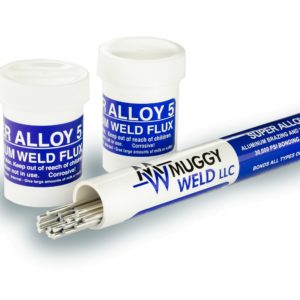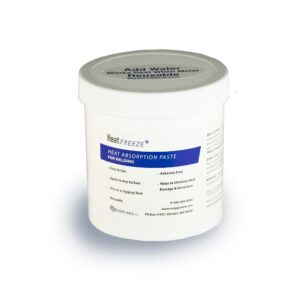
Aluminum Welding Tips with Heat Freeze Heat Paste and Super Alloy 5
Many aluminum repairs seem straightforward until you look beyond the weld. The damaged area may be easy to reach, but nearby rubber hoses, wiring, paint, plastic fittings, and seals often create a second challenge. Excess heat can damage those components long before the repair is complete. For many technicians, protecting the surrounding parts becomes more difficult than repairing the aluminum itself.
Heat Freeze provides a practical way to protect nearby components during an aluminum repair. While aluminum tubing is repaired using Super Alloy 5, Heat Freeze Heat Paste is applied directly to a nearby rubber hose to protect it from heat exposure during the repair.
Why Heat Protection Matters During Aluminum Repairs
Aluminum transfers heat quickly. That characteristic helps it perform well in cooling systems, but it also means heat can travel beyond the repair area faster than many people expect. Without protection, nearby materials may suffer damage.
Rubber Components
Hoses and seals can soften, crack, or deteriorate when exposed to excessive heat.
Plastic Parts
Plastic fittings and connectors may deform during welding or brazing operations.
Painted Surfaces
Heat can discolor paint or damage nearby finishes.
Wiring and Insulation
Electrical components located near the repair area can also be vulnerable. Protecting these materials helps avoid creating new problems while solving the original one.
Repairing Aluminum Without Full Disassembly
Many repair jobs require extensive teardown simply to protect nearby components. Removing hoses, brackets, trim pieces, and surrounding hardware often takes more time than the repair itself.
Heat protection products can reduce that burden by shielding sensitive materials during the repair process. The rubber hose can remain in place while the aluminum tubing is repaired.
How Heat Freeze Heat Paste Works
Heat Freeze Heat Paste acts as a thermal barrier. The paste absorbs and dissipates heat before it reaches nearby components. This allows technicians to concentrate heat where it is needed while protecting adjacent materials.
Ideal for Tight Work Areas
Many aluminum repairs occur in confined spaces where complete disassembly is impractical. Heat Freeze helps create a protective zone around vulnerable components.
Reusable After the Repair
One of the product’s unique features is reusability. After the repair is complete, unused material can be returned to the container for future projects. This makes it a useful shop supply for recurring repair work.
Applying Heat Freeze Correctly
Like any repair product, proper use improves results.
Use Enough Material
Apply adequate Heat Freeze Heat Paste to ensure complete protection of the part being shielded. Thin coverage may reduce effectiveness.
Leave Space Around the Repair
One of the most important tips involves placement. Heat Freeze absorbs heat so efficiently that placing it too close to the weld area may draw heat away from the repair itself. Adequate spacing allows the repair area to reach working temperature while still protecting nearby materials.
Allow Complete Cooling
After the repair is finished, allow the workpiece to cool completely before removing the Heat Freeze. This protects both the technician and the repaired component.
Maintaining Heat Freeze for Long Service Life
A few simple practices help maximize product life.
Keep the Paste Clean
Contaminants can shorten the useful life of the material. Keep the product clean whenever possible.
Add Water Occasionally
Periodic moisture replacement helps maintain the proper consistency. Adding water as needed keeps the paste ready for future use.
Store Properly
Returning clean material to the container after use helps reduce waste and extend usability.
Applications Beyond Aluminum Welding
Although this application involves aluminum tubing repair, heat protection has value in many other situations.
Brazing Operations
Protect nearby components while heating localized repair areas.
Soldering Projects
Prevent heat migration into sensitive assemblies.
Automotive Repairs
Shield hoses, wiring, and trim pieces when welding auto body panels to help protect surrounding areas from excessive heat.
HVAC and Refrigeration Work
Protect insulation, seals, and surrounding components while repairing tubing.
Simple Protection Can Prevent Expensive Damage
Successful repairs involve more than fixing the damaged metal. The surrounding components deserve protection as well. The aluminum repair shows how a simple barrier can protect a nearby rubber hose while allowing the repair to proceed normally.
For technicians working around heat-sensitive materials, good heat management often saves time, reduces disassembly, and helps avoid costly secondary damage. That makes heat protection one of the most valuable aluminum welding tips any repair professional can learn.
Disclaimers:
Before using Muggy Weld products, please review and follow the welding safety guidelines provided by the American Welding Society (AWS): https://www.aws.org/Standards-and-Publications/Free-Resources/#YourResources.
Additional product safety information is available at https://muggyweld.com/safety-guidelines
Muggy Weld LLC shall not be liable for any loss, injury, claim, liability, or damage of any kind resulting from or related to (a) the use of this website or its contents, (b) the use or misuse of any welding products or services obtained through this website, (c) errors in or omissions in the information provided, (d) the unavailability or interruption of this website or its features, (e) reliance on any instructions, techniques, or demonstrations presented on this website.
Safety Data Sheets (SDS) are available upon request with purchase from MuggyWeld.com.
Updated 10/1/26